Your Cart is Empty

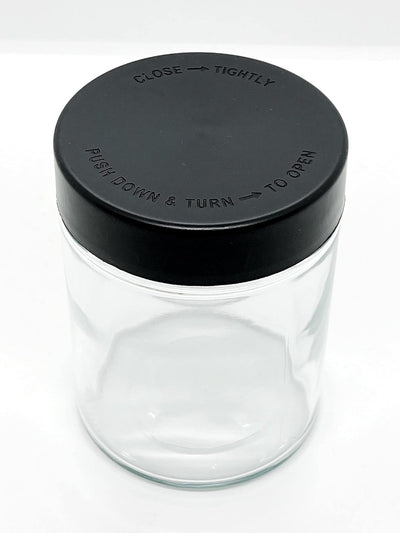
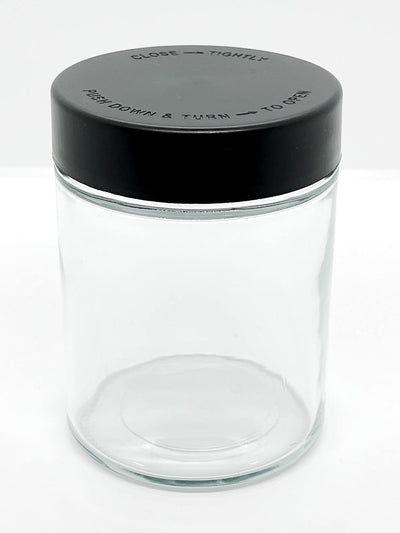
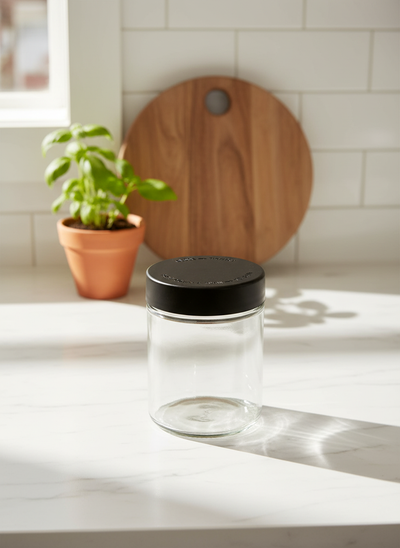
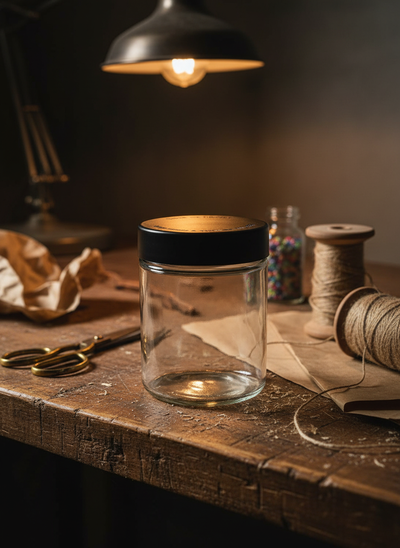
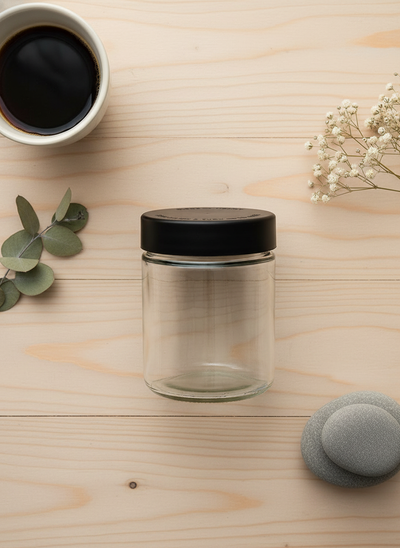
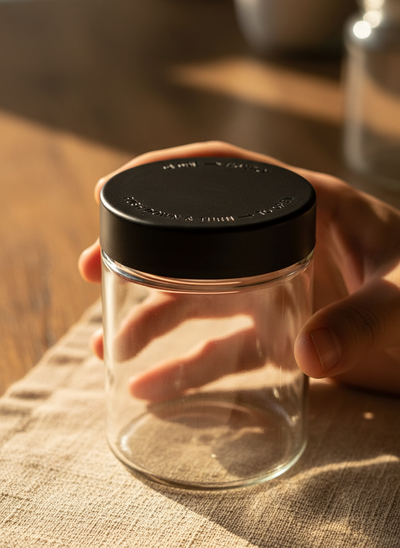
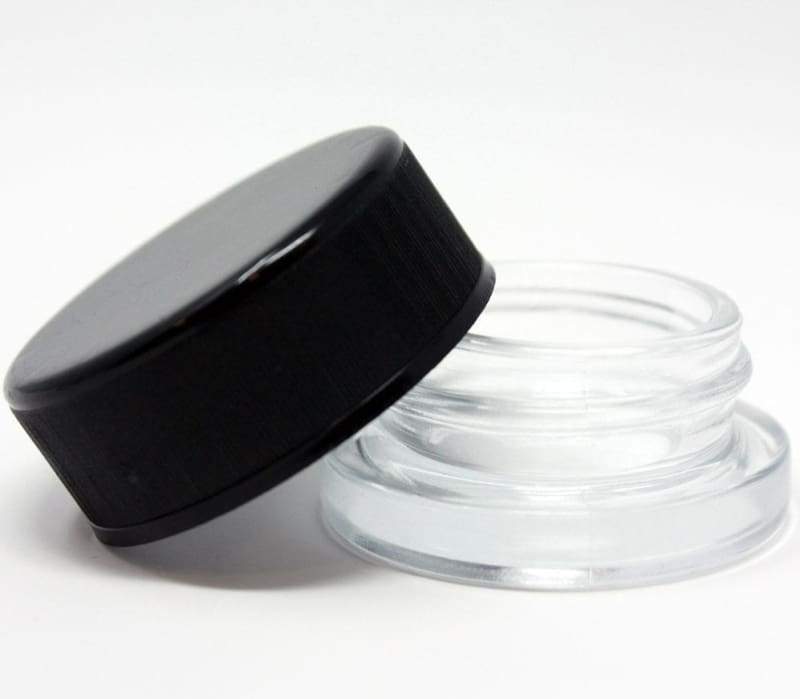
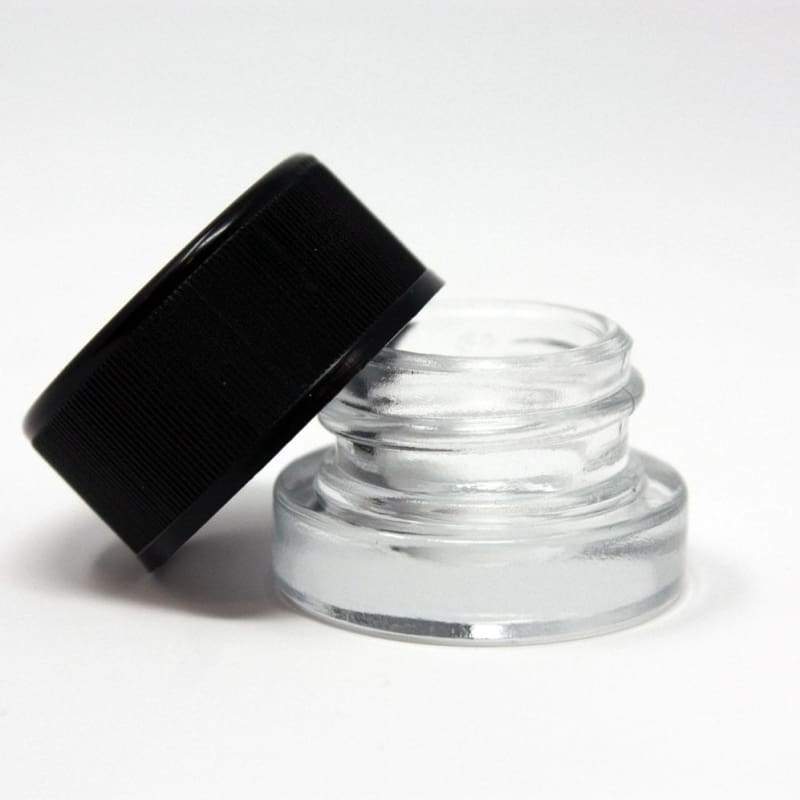
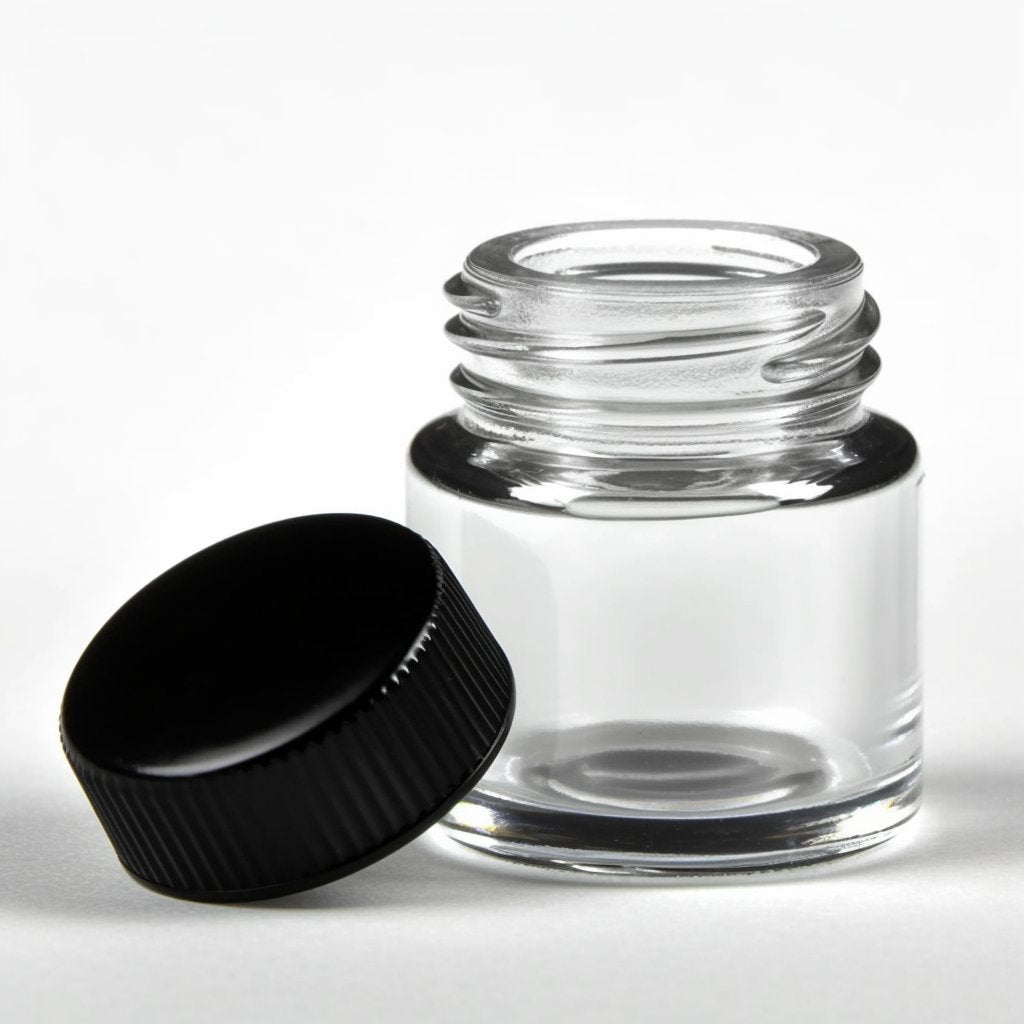
18 oz Child-Resistant Glass Jars (24 Pack) – Airtight, Odor-Proof specialty packaging with Black Lids
Secure Checkout
Free Shipping $50+
Quality Guaranteed
SSL Encrypted
$48.00
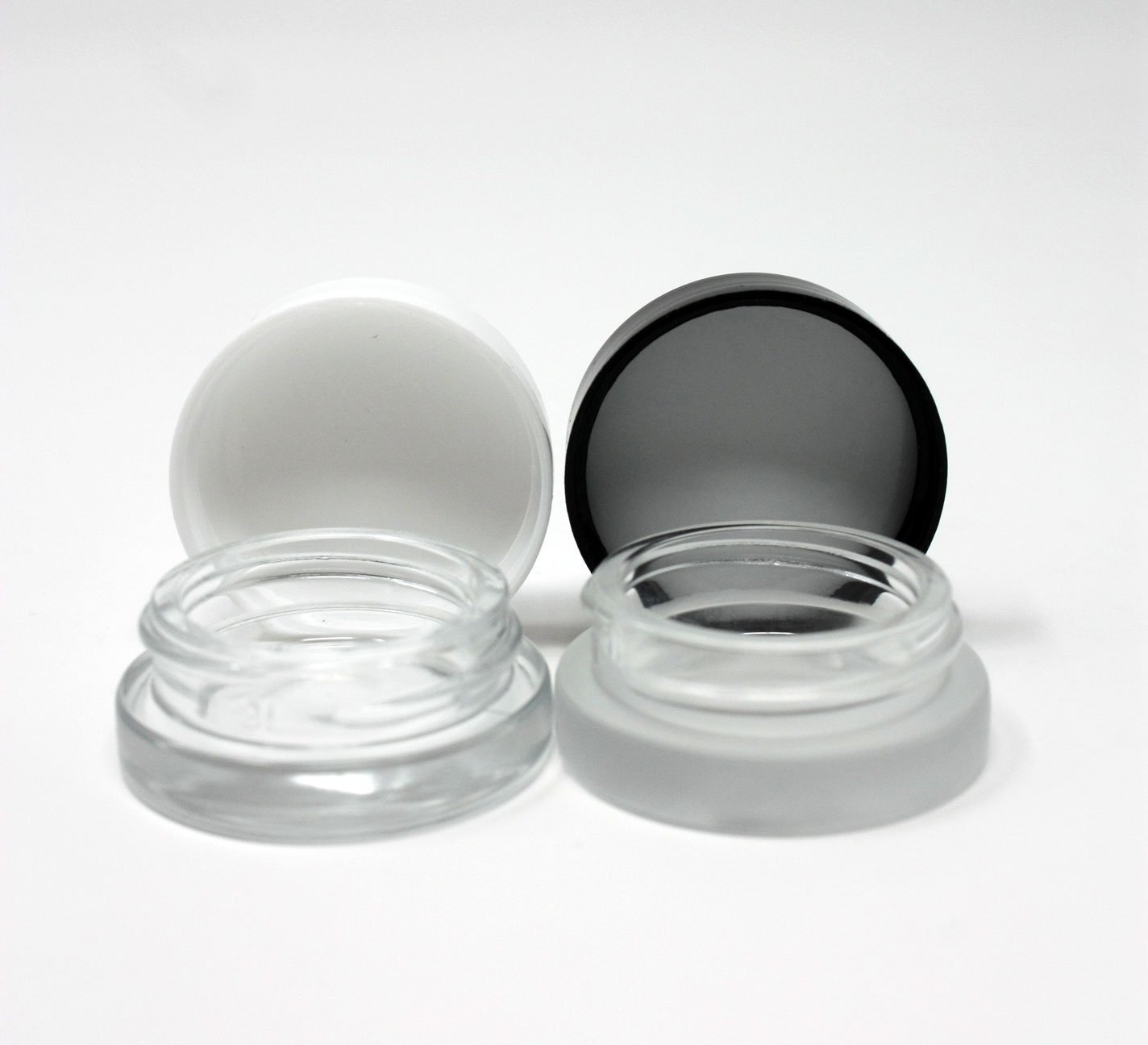
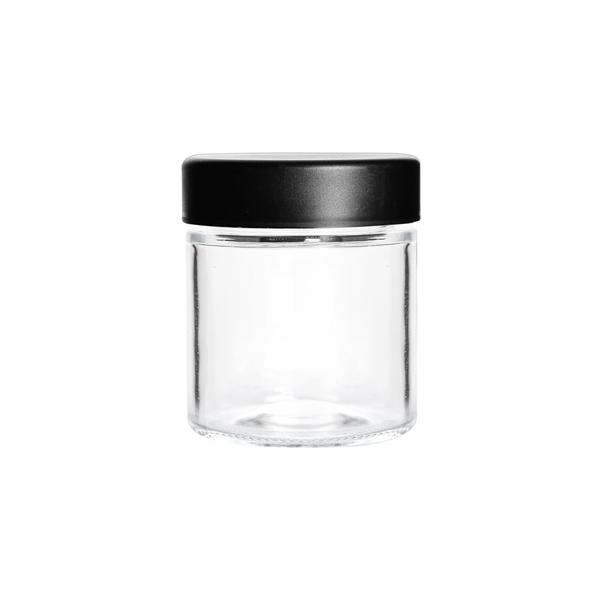
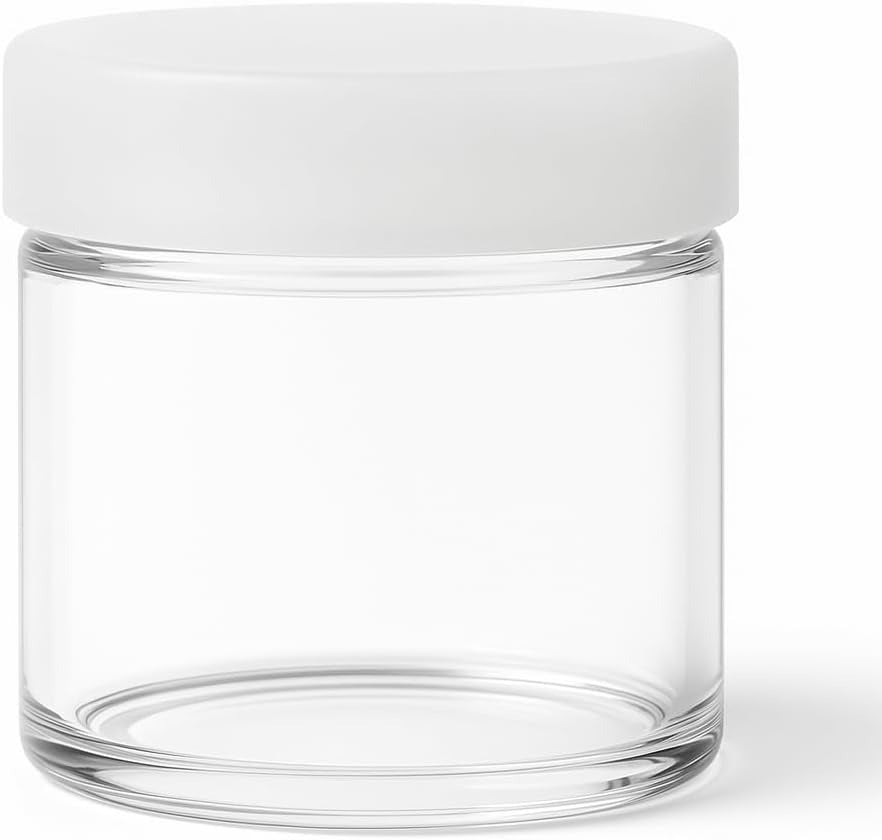
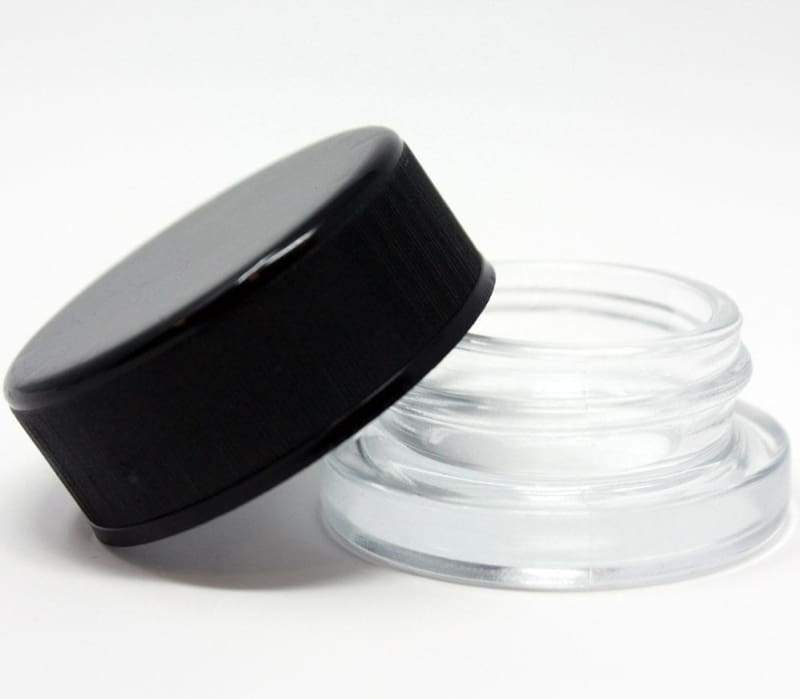
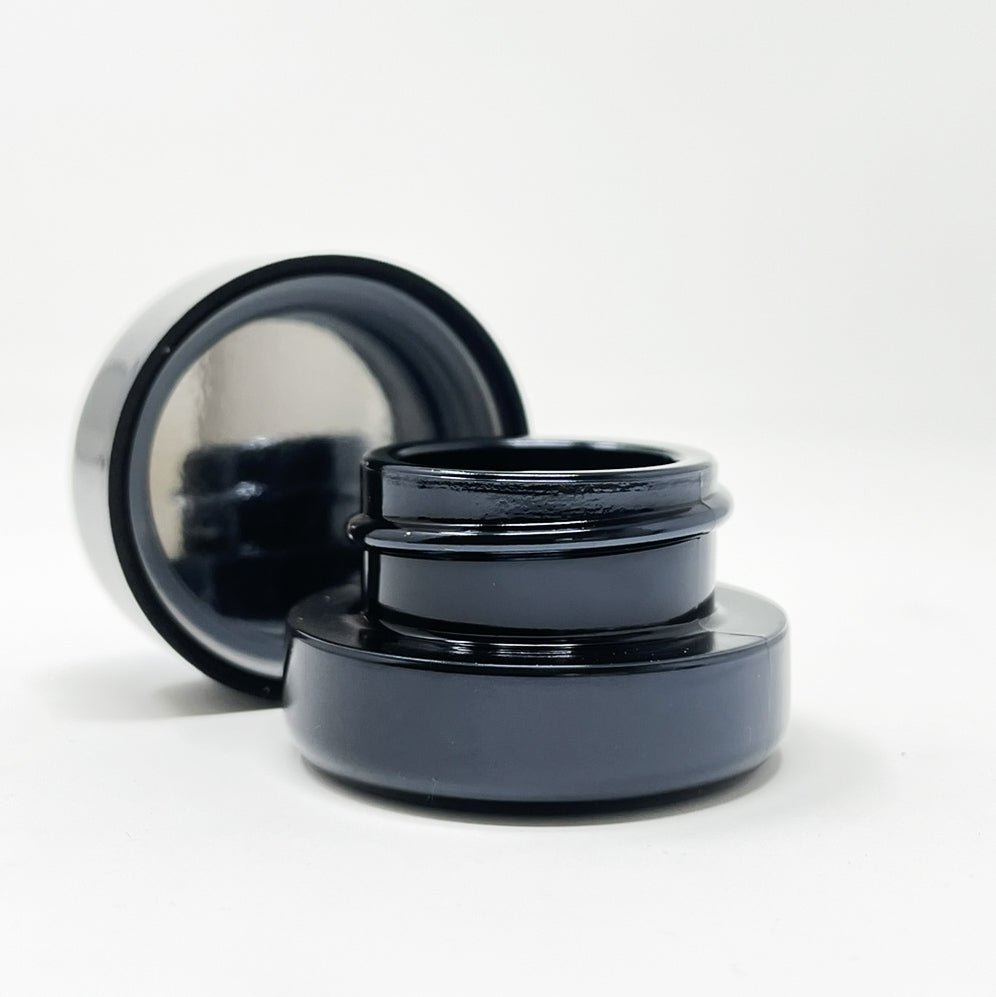
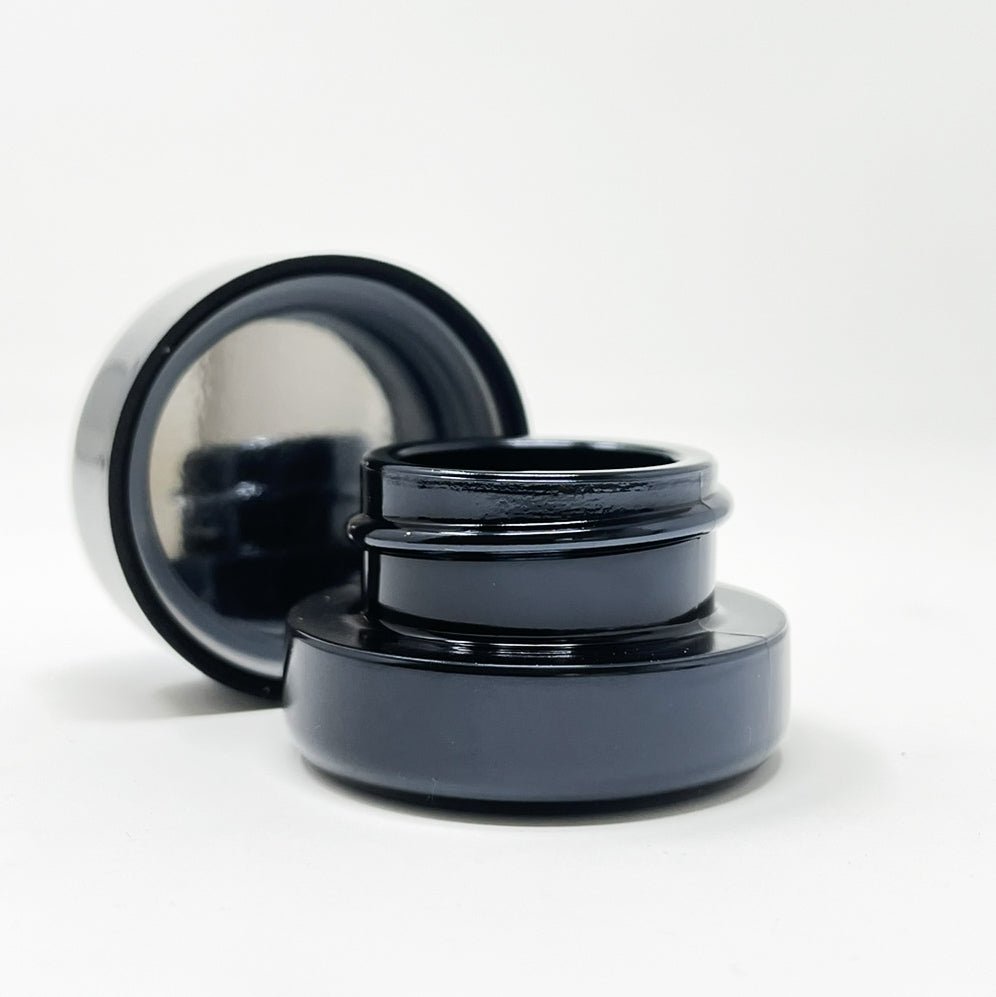
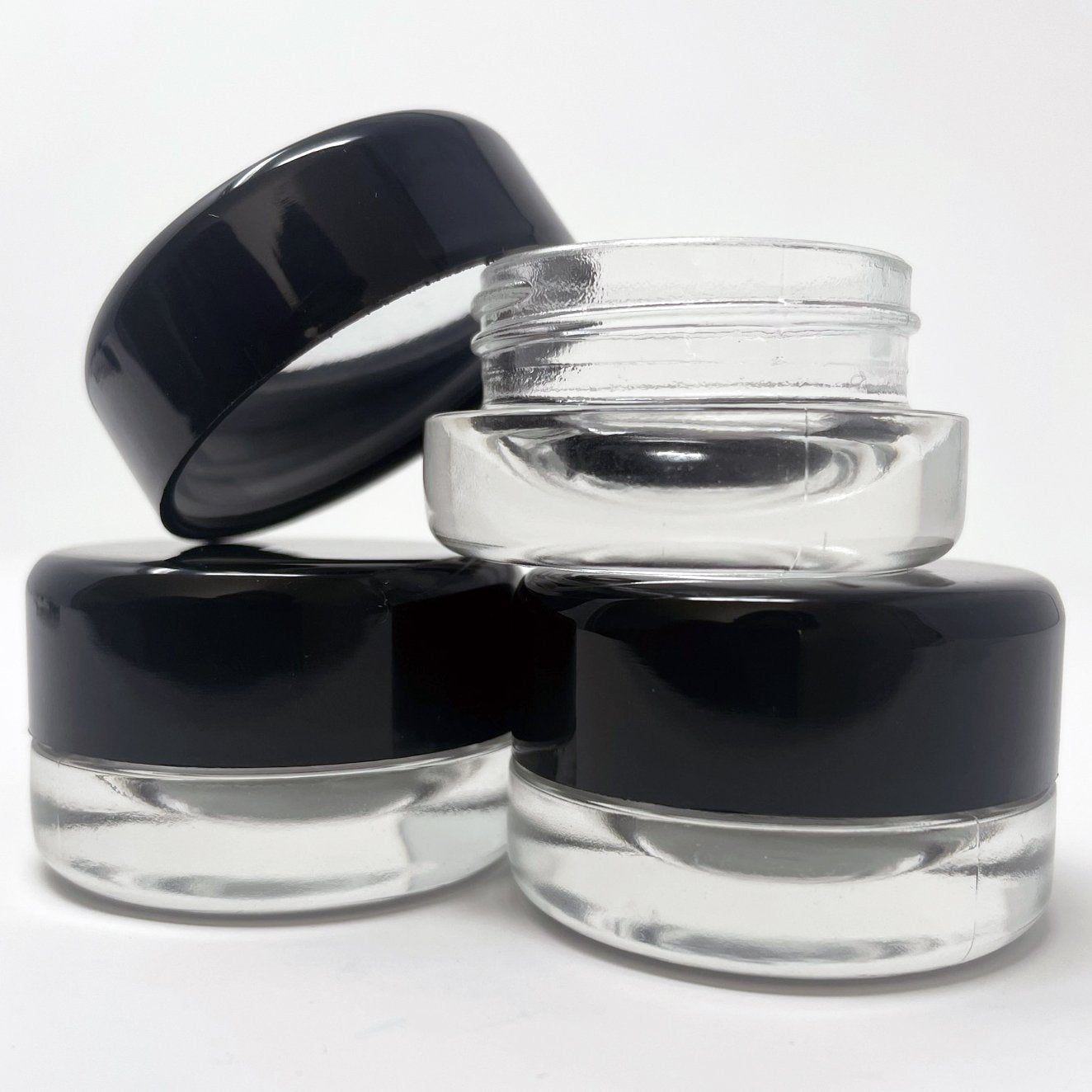
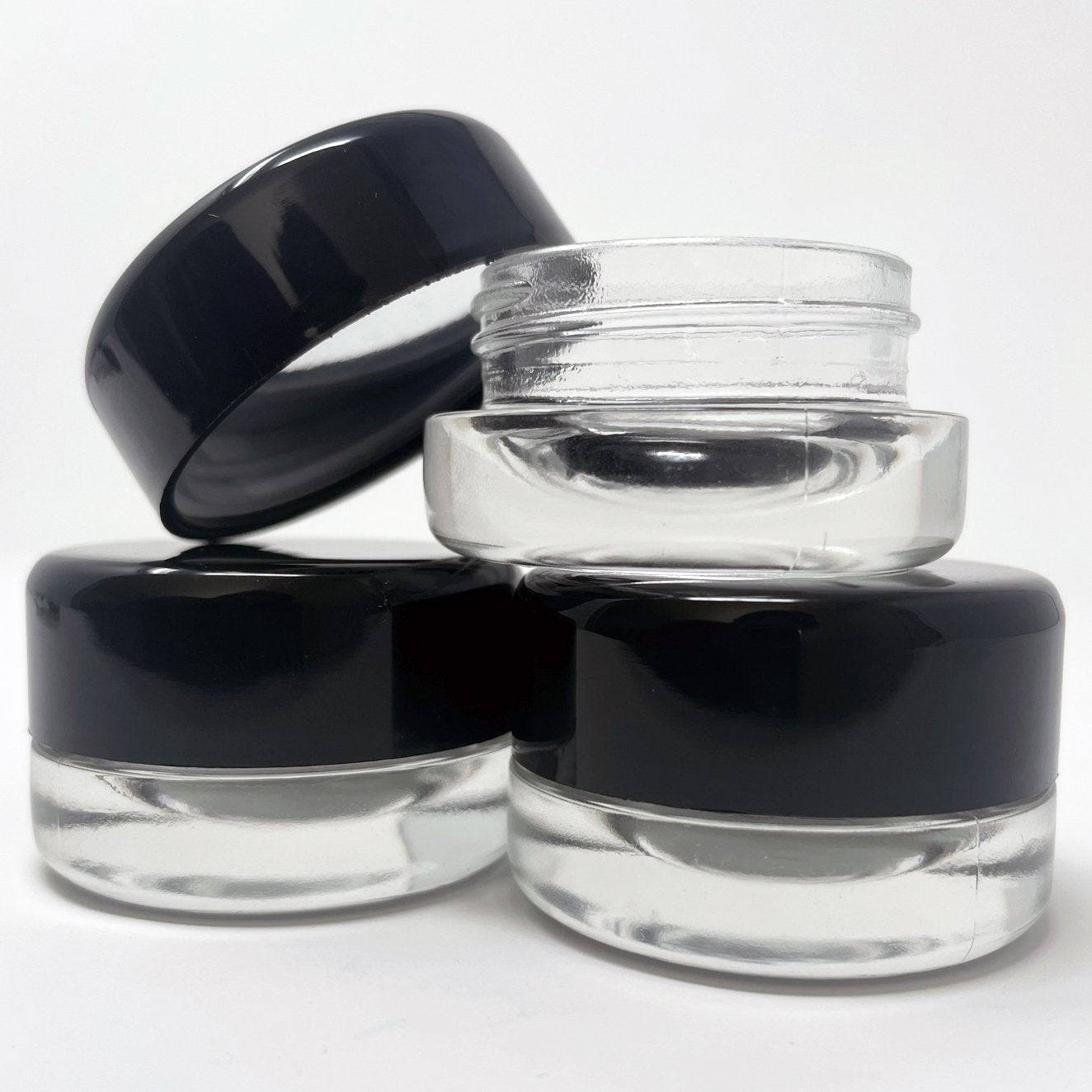
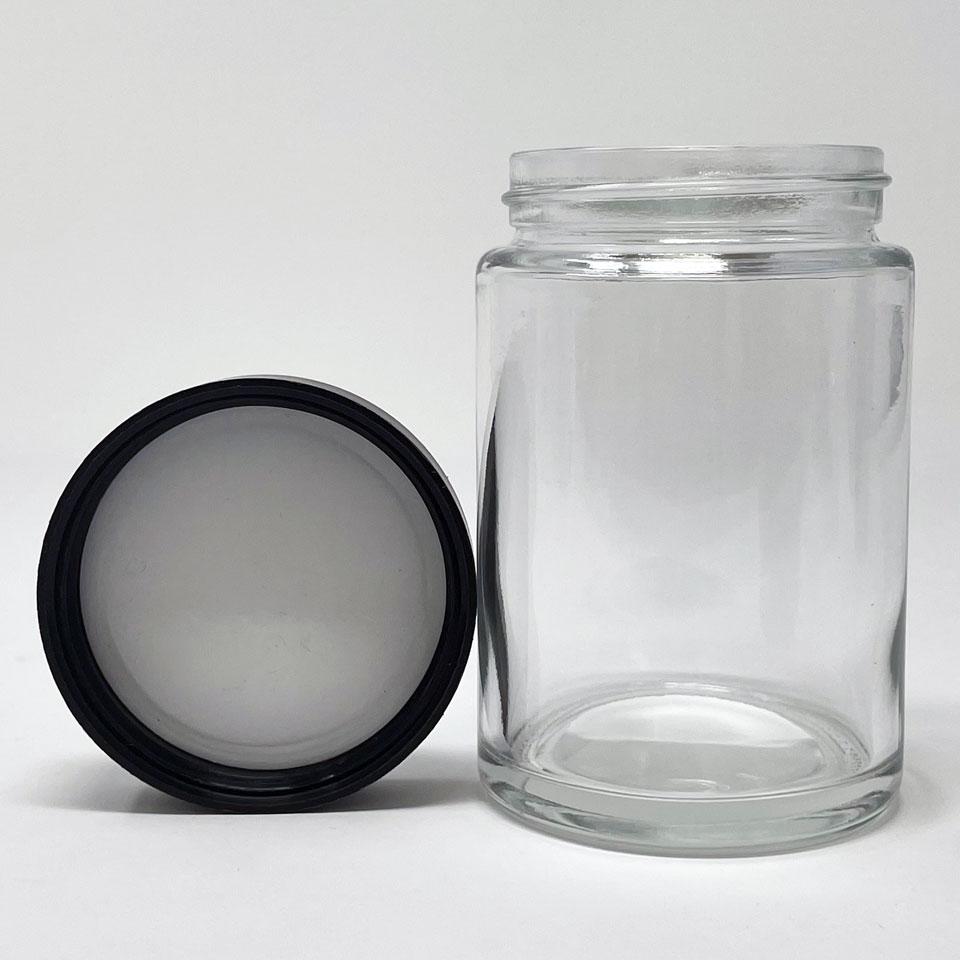
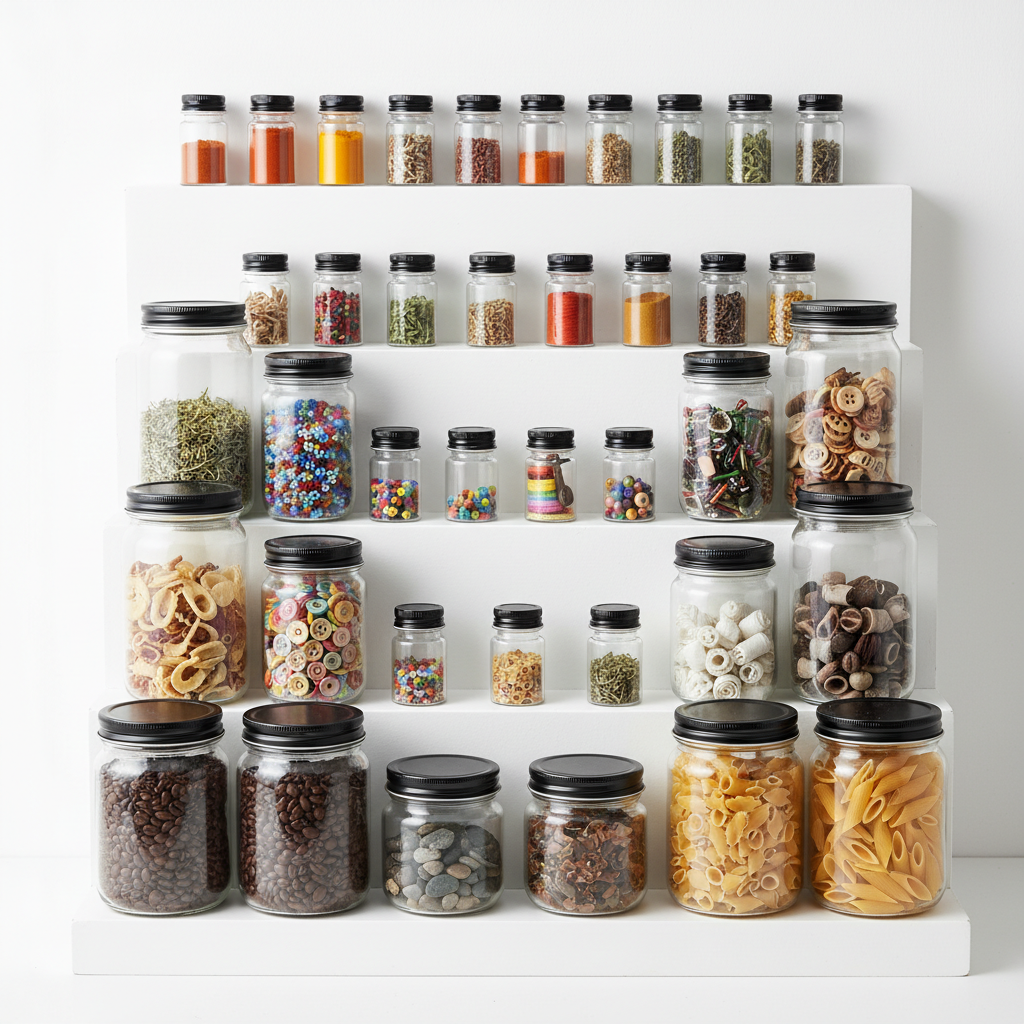
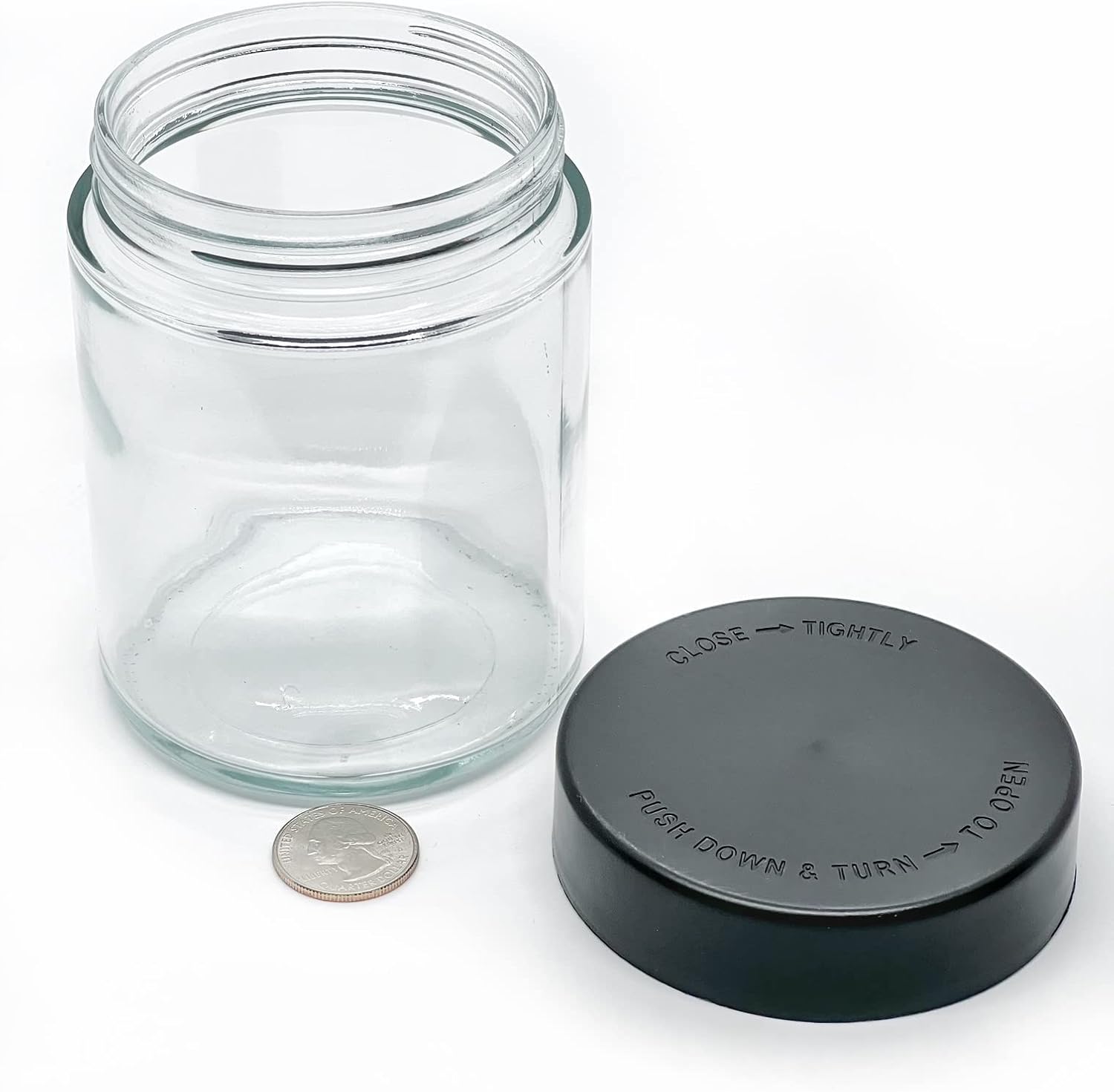
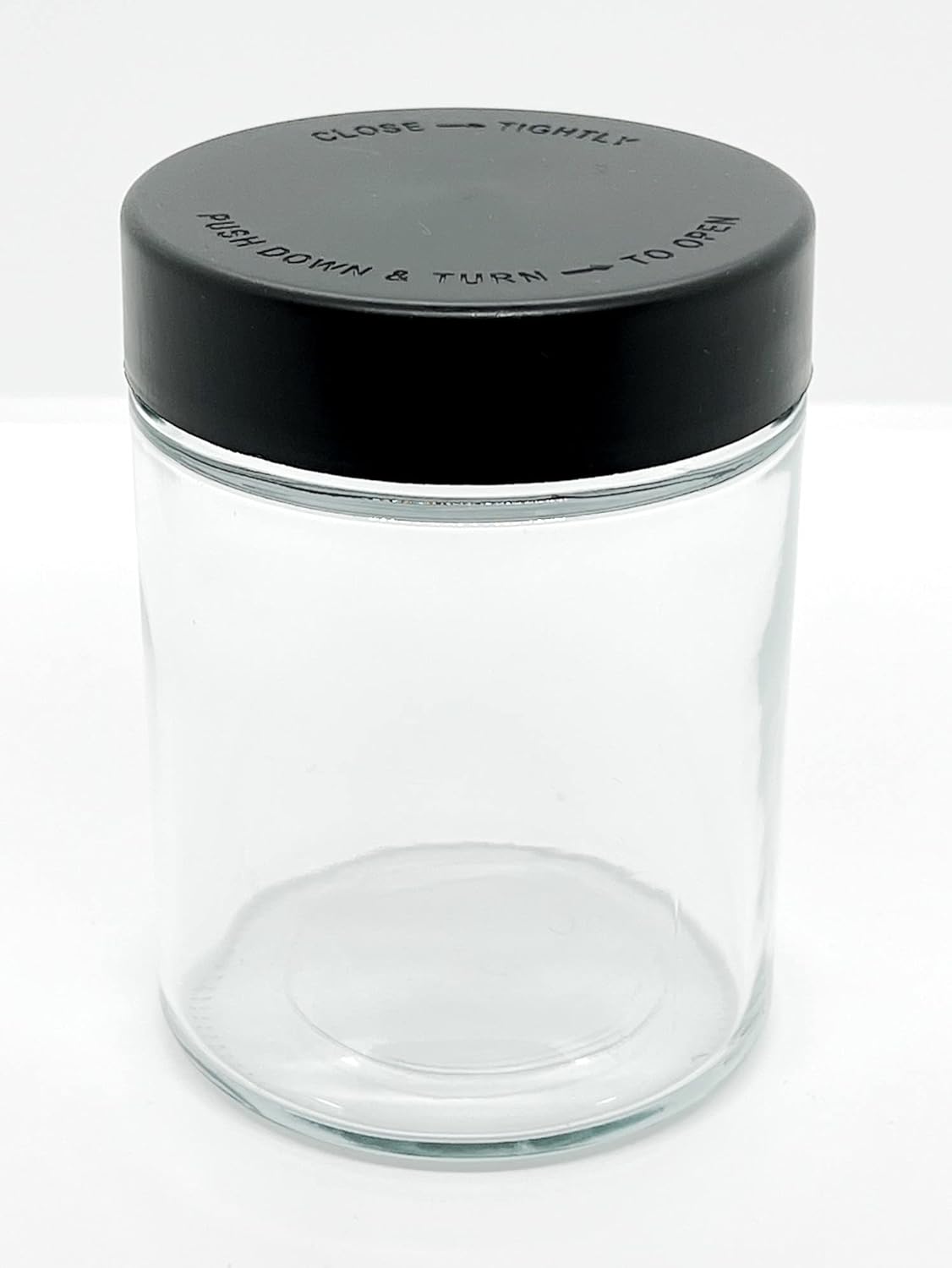
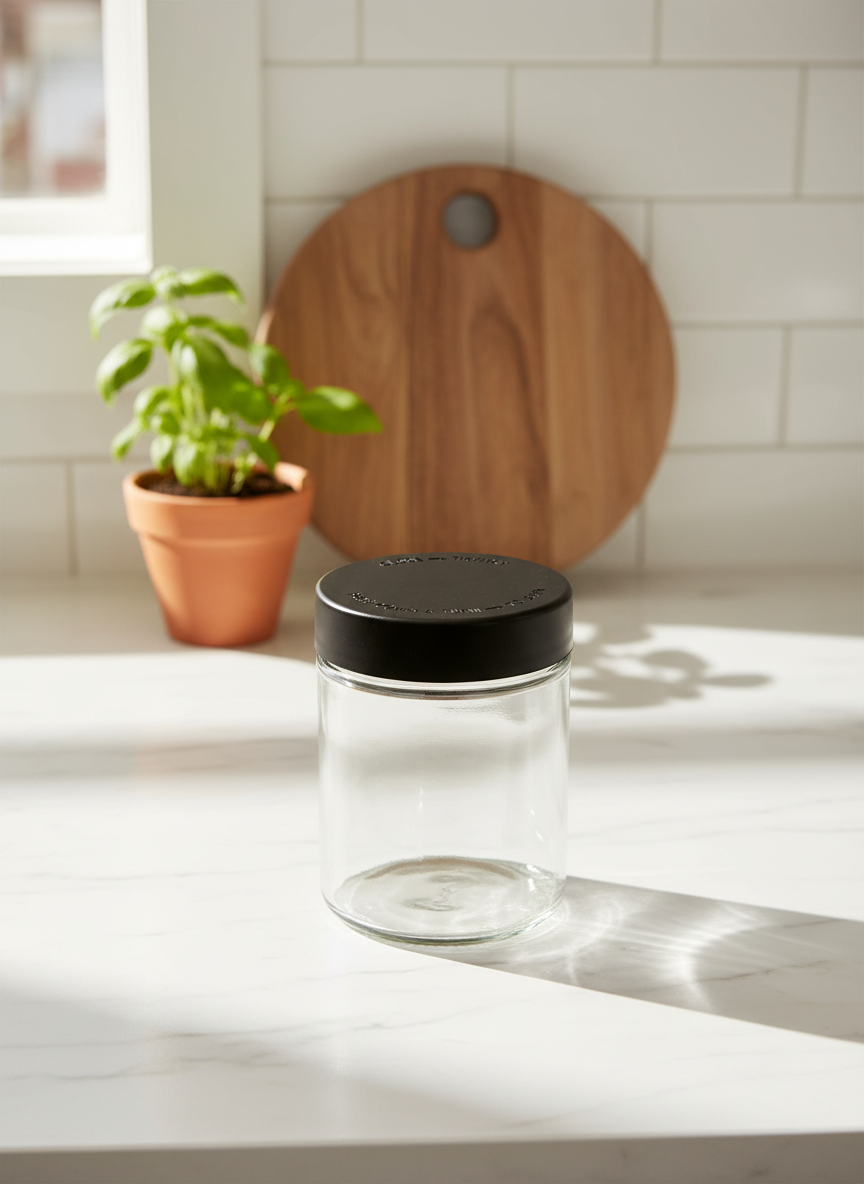
The 18oz Child-Resistant Glass Jar is a workhorse container built for serious storage needs. Thick borosilicate-style glass construction creates a durable, chemical-resistant vessel that handles dried herbs, culinary herbs, spices, and small item organization with equal competence. The child-resistant black twist lid meets legal compliance standards while remaining accessible to adults who understand the mechanism. These jars ship in bulk (24-count and 240-count cases), making them ideal for retail stores, retailers, producers, and anyone who needs consistent, professional glass storage without the per-unit cost of small purchases. Airtight sealing keeps contents fresh for months. The clear glass lets you see product quality while the opaque lid maintains privacy and light protection.
Why Glass Jars Beat Plastic for Long-Term Storage?
Glass doesn't off-gas chemicals. It won't leach anything into your contents. It's chemically inert, meaning it won't react with active ingredients, essential oils, or any product you're storing. Plastic containers, no matter how food-safe they claim to be, slowly release compounds over time, especially when exposed to heat or when storing fatty/oily products. Glass also doesn't absorb odors. After you empty an 18oz jar that held dried herbs, you can fill it with spices and it stays completely odor-neutral. That reusability and inertness is why glass jars command premium pricing—they're genuinely worth more over time.
Borosilicate glass specifically is engineered to withstand thermal shock (rapid temperature changes) without cracking. If you need to store products in a freezer and then move to room temperature, borosilicate survives. Regular soda glass wouldn't. The thickness of these jars (you'll feel it when you hold one) means they resist breakage from drops and impacts better than thin-walled alternatives. This durability reduces replacement costs and liability issues from broken containers.
What Are the Key Features & Specifications?
- 18oz capacity with graduated markings - Holds roughly 2-3 ounces of dried herbs, making it the standard specialty product and small-format herbs container across retail stores
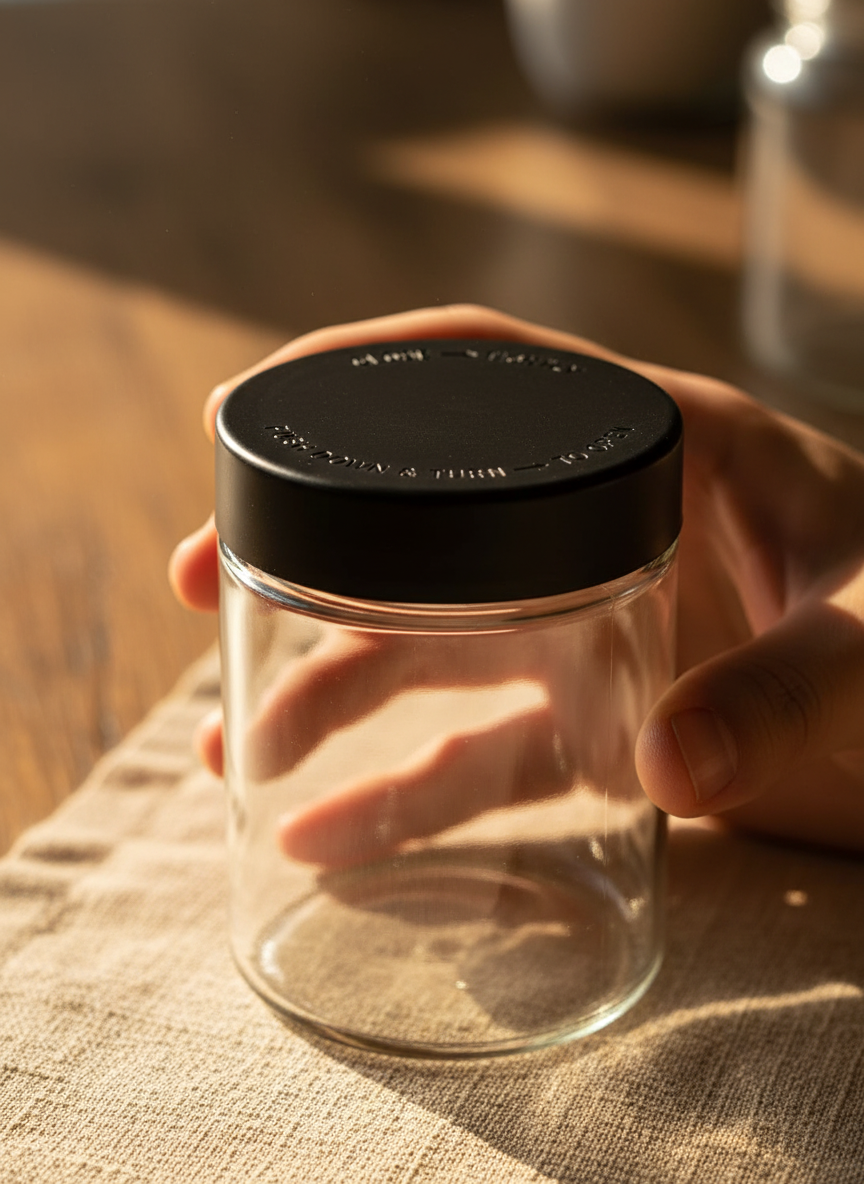
- Child-resistant black twist lid - Requires coordinated movement to open, satisfying compliance requirements while remaining tool-free for adults
- Thick borosilicate-style glass - Resists thermal shock, breakage, and chemical interaction with stored contents
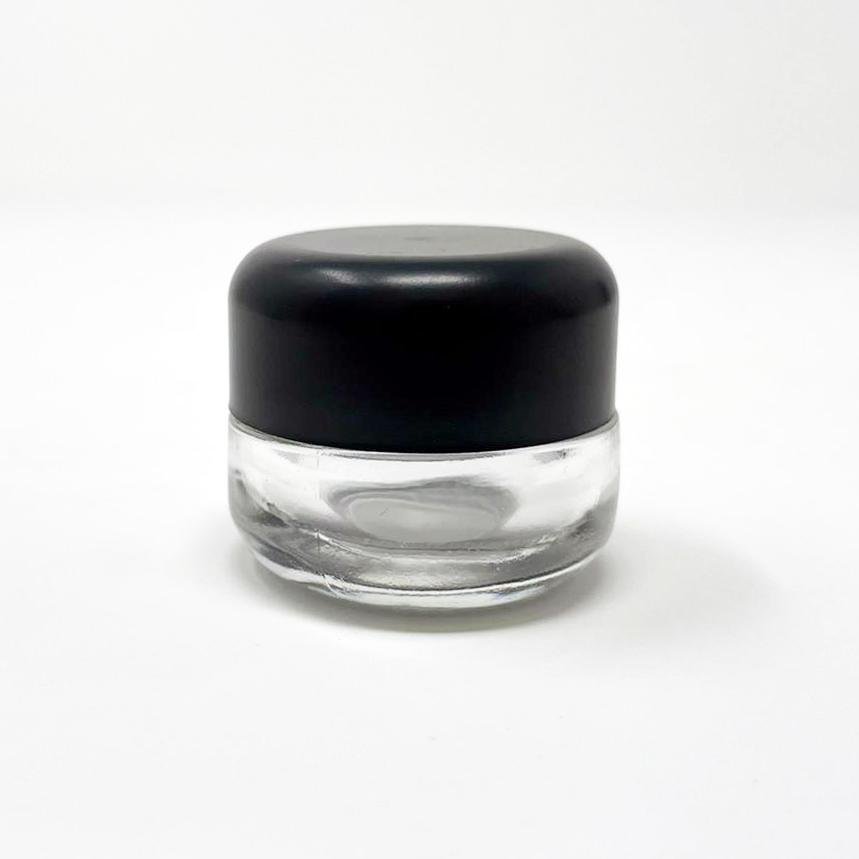
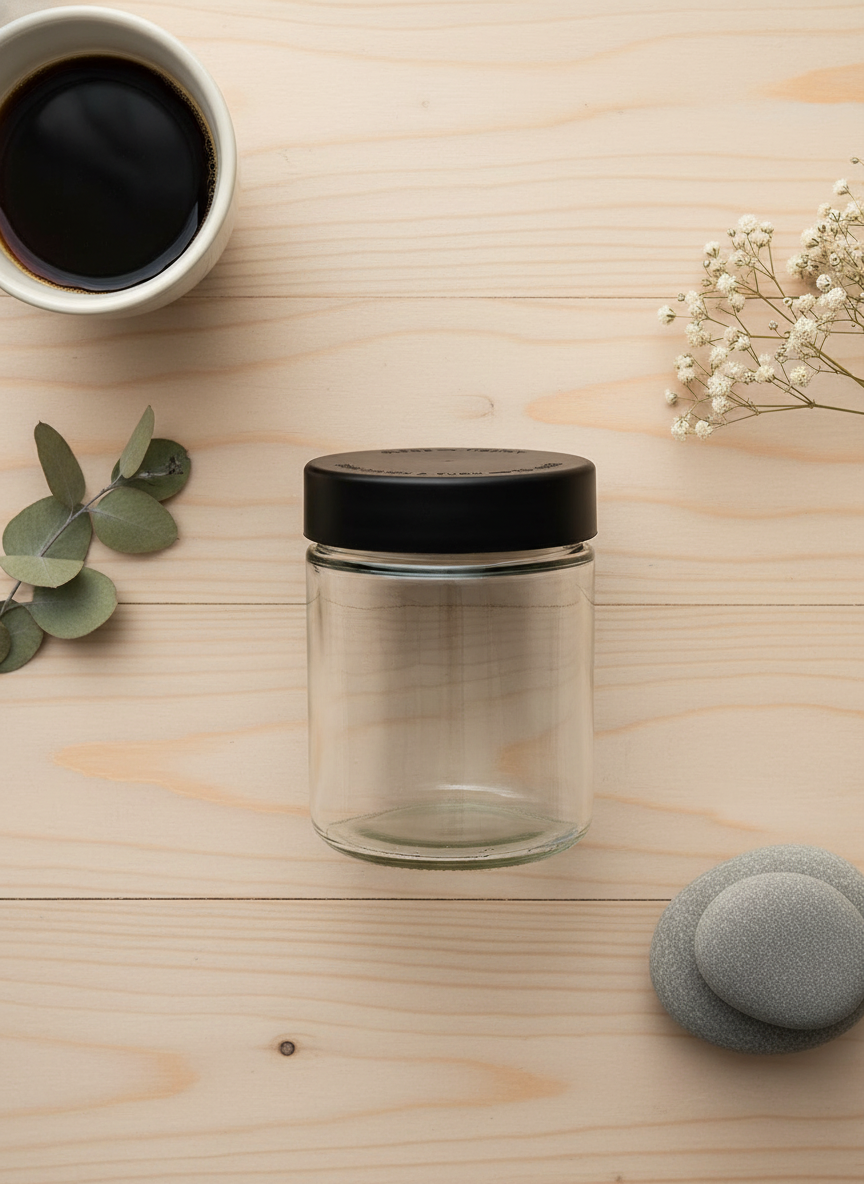
- Clear glass body with opaque lid - See your product quality while maintaining light protection and privacy from the outside
- Airtight seal performance - Keeps herbs fresh, specialty products from oxidizing, and herbs from losing freshness for 6+ months when sealed
- Bulk packaging in cases - 24-count cases for small operations, 10-case lots (240-count) for larger distribution and retail
- Stackable & space-efficient - 18oz jars stack neatly on shelves, in display cases, and in storage. The case packaging makes receiving and inventory fast
- Industry-standard sizing - Dimensions match competitor products, making these jars compatible with existing retail fixtures and customer expectations
What About Container Capacity & What Fits?
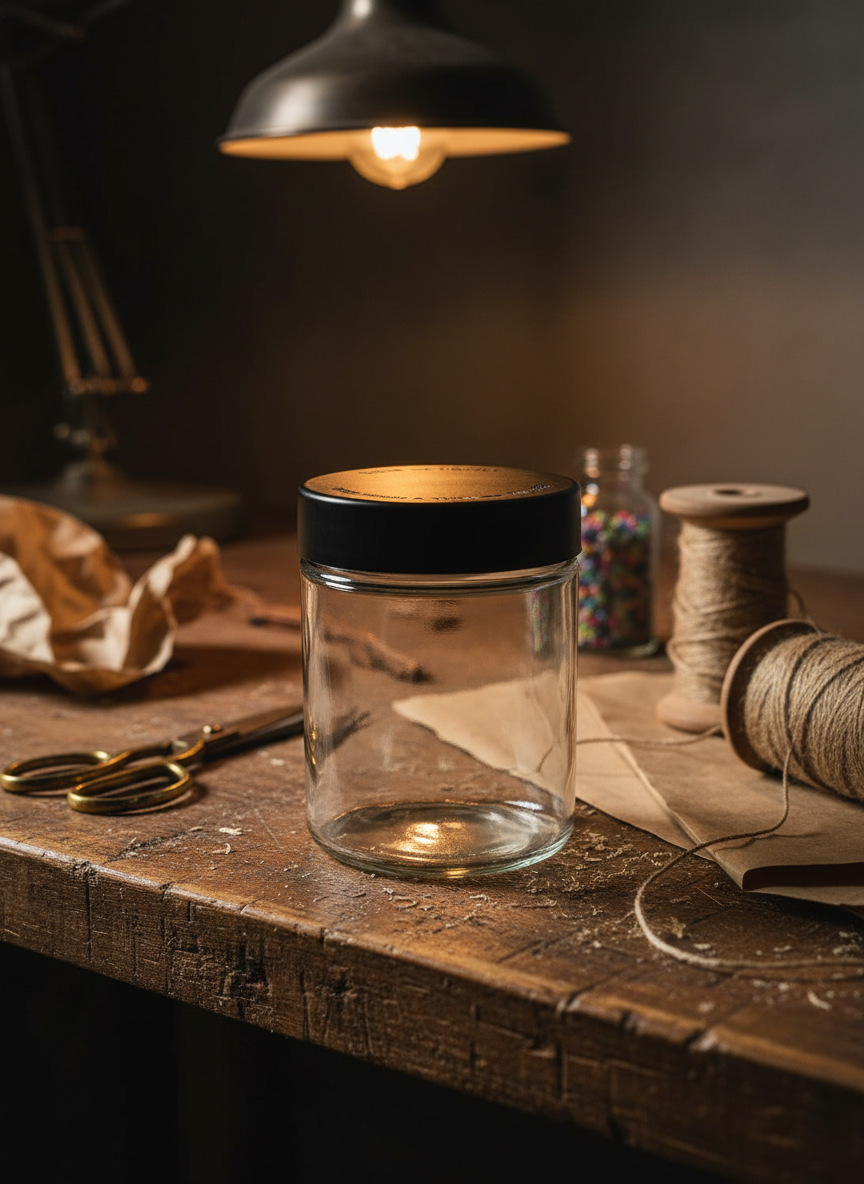
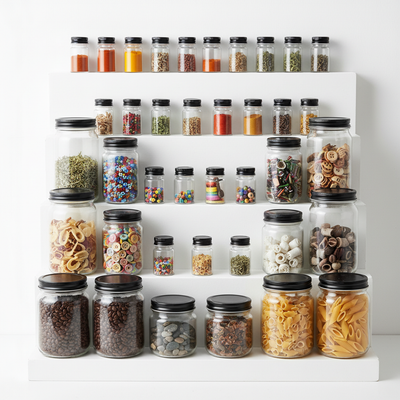
18 ounces is the sweet spot for retail specialty. It holds approximately 2-3 ounces of herbs with room for the lid, accommodating typical half-ounce to single-ounce purchases. For specialty products, it holds roughly one-quarter ounce without being wastefully large (smaller jars feel cheap; larger jars are overkill for high-value products). For culinary use, 18oz holds a month or two of regular herb consumption for most households. For craft storage, it accommodates beads, buttons, small hardware, or pigments with plenty of room for labeling and sorting.
The graduated markings on the glass (if present on your units) allow approximate measurement without opening the jar repeatedly. This matters for retail store staff who want to verify capacity before filling or checking inventory. Customers also appreciate being able to visually confirm they're receiving the product amount they paid for—it's a trust-building feature that costs nothing but adds perceived value.
The opening diameter is wide enough to easily reach into with a spoon or tweezers (if needed for small-format items), but not so wide that airtight sealing suffers. It's the Goldilocks size—functional access without compromising seal integrity. Many retailers report these jars become favorite customer containers; customers keep them after contents are empty and repurpose them for jewelry, medications, craft supplies, or home organization. That extended brand presence (a customer using your jar daily for months afterward) is marketing value that cheap plastic containers can't match.
How Does the Child-Resistant Mechanism Explained Work?
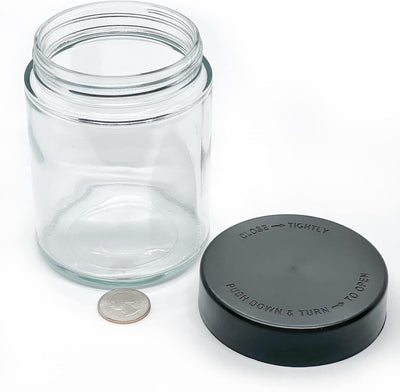
The black twist lid works through a combination of push-down-and-turn design. To open, you must apply downward pressure while rotating counterclockwise. The effort required and the hand coordination needed prevent children under 5 from accidentally opening the jar. This design meets regulatory standards in states with safety regulations, but it's not a failsafe—determined older children can figure it out, and it's not truly childproof. However, it's child-resistant enough to satisfy legal requirements and to add a meaningful delay if a child attempts to open a jar (buying time for supervision).
For adults, the mechanism is intuitive after one use. Most customers instantly understand how to work it. Elderly users sometimes struggle with the manual dexterity required, so consider this if you're packaging for aging populations. For retail stores, staff learn the mechanism on day one and operate it automatically. The simplicity is a feature—no training required, no special tools needed, and no customer complaints about convoluted opening procedures.
Storage & Preservation Performance?
Once sealed, these jars maintain airtight conditions that preserve product quality. dried herbs stays fresh for 6+ months in sealed jars. specialty products last indefinitely if sealed (light and oxygen are the primary degradation factors, not time). Dried herbs maintain freshness for at least a year. The key is keeping the jar sealed when not in use—each time you open it, you're exchanging the protective atmosphere inside for ambient air. For frequent users, that's fine. For long-term storage, minimize opening frequency.
Temperature stability matters more than darkness inside the jar. Store these jars in a cool (60-70°F), dry place. Fluctuating temperatures create condensation inside the jar, which can cause mold on herbs if humidity rises above 65%. If you notice condensation, open the jar, air it out for 30 minutes, and wipe the interior dry before resealing. For consumers, storing jars in a dark cabinet or closet (even though the lid provides some light protection) extends shelf life. For retail stores, store filled jars away from heating vents and direct sunlight, even though the opaque lid minimizes light penetration.
The glass itself is oxygen-impermeable, so once sealed, the only factor in oxidation is the initial air in the jar when sealed. Some commercial operations use nitrogen-flush packaging (filling the jar with inert nitrogen gas before sealing) to maximize shelf life. This is overkill for most applications but worth knowing if you're selling premium products with extended shelf claims.
How Does Bulk Ordering & Logistics Work?
These jars come in 24-count cases (perfect for small retail stores testing a new supplier) or 240-count cases (10 cases combined, ideal for established retailers). Ordering cases instead of single units brings per-jar costs down significantly. A 24-count case is roughly the weight of a heavy textbook—manageable for one person to carry. A 240-count case is heavy enough that two people or a dolly is recommended. Most suppliers ship these cases on pallets for 5+ case orders, reducing per-unit shipping costs.
Storage space-wise, a 24-count case occupies roughly 12" x 8" x 6" of shelf space (stacked efficiently). A 240-count case takes up about 24" x 16" x 18". Before ordering bulk quantities, measure your available storage to ensure you have space. However, these jars sell quickly—they're a consumable item that you'll reorder regularly, so long-term storage shouldn't be a problem.
For retail stores, receiving a case is straightforward. Count jars against the packing slip (typically accurate to within one or two units due to packing variations). Inspect for cracks or damage. Stack jars on shelves arranged by product type or price tier. Make sure black lids are secured tightly before storage to prevent dust accumulation on the thread seal. Consider ordering complimentary label stock from our jar collection to mark product type and fill date on jars.
How Do Jar Options: When to Choose 18oz Compare?
The 18oz size is the industry standard for retail specialty. Smaller jars (5ml, 8oz) are better for high-value specialty products, samples, or single-use items. Larger jars (32oz, 64oz) are better for bulk storage, home cultivation, or business-to-business sales. The 18oz hits the sweet spot for retail—it's the expected container size for herbs purchases, it's cost-effective at scale, and it communicates professionalism without the waste of oversized packaging.
If you're choosing between 18oz and 24oz jars, consider your typical customer purchase size. If most customers buy by-the-ounce, 18oz is right-sized. If you sell in 3-5 ounce quantities, 24oz might be better. If you offer both, 18oz jars will be your volume seller. These specific jars are sized for the specialty market specifically, so if you're in culinary, craft supply, or general retail, they might be overkill. For specialty, they're perfect.
What Are the Specifications Table?
| Specification | Detail |
|---|---|
| Capacity | 18 fluid ounces |
| Height | Approximately 3.75 inches |
| Diameter | Approximately 2.75 inches |
| Glass Type | Borosilicate-style, thick-walled |
| Lid Type | Child-resistant black twist cap |
| Seal Type | Compression gasket (airtight when sealed) |
| Color | Clear glass with opaque black lid |
| Case Options | 24-count case or 240-count (10 cases) |
| Stackability | Yes, stable when stacked 4-5 high |
| Compliance | Child-resistant, food-safe glass |
Who Benefits Most from These Jars?
Licensed retail stores - You're buying containers by the case, rotating stock regularly, and need consistent quality across inventory. These jars are your standard retail container. Every customer expects to receive herbs in jars like these. They're professional, they preserve product, and they communicate that you care about quality. Buying in bulk (240-count cases) brings per-jar costs to levels where you can include jars in the purchase price without eroding margin.
specialty Manufacturers & Producers - Whether you're growing herbs, making specialty products, or infusing products, you need containers that don't compromise your product. Glass jars show confidence in quality—customers feel premium product comes in premium containers. These jars allow you to store in bulk (before retail packaging) without worrying about oxidation, off-gassing, or contamination. You can also use them as your retail container directly if you're selling direct to consumers.
Culinary Professionals & Home Cooks - 18oz jars hold a month or more of regular herb consumption. The clear glass lets you see when you're running low. The airtight seal keeps dried herbs potent. Many chefs prefer buying herbs in bulk and storing them in glass jars—it's cheaper than pre-packaged herbs and the glass makes storage beautiful. These jars work for spices, teas, dried mushrooms, specialty ingredients, and anything requiring airtight preservation.
What Do Customers Frequently Ask?
Why are these more expensive than plastic jars?
Glass costs more to manufacture, ship (weight), and replace if broken. But glass lasts indefinitely. One glass jar is used for years or decades. Plastic jars degrade, discolor, absorb odors, and need replacing after 1-2 years. Over a 10-year period, the glass jar is cheaper. Plus, glass doesn't leach chemicals into contents, maintaining product quality and safety. For specialty or food storage, that chemical inertness is worth the upfront cost. Think long-term—glass is the better investment.
Can these jars go in the dishwasher?
Yes, absolutely. The glass is dishwasher-safe. The lid can also go in the dishwasher, though some users prefer hand-washing lids to preserve the gasket longevity. The jar itself can handle high-temperature water and detergent without any issues. Most users report that even years of dishwasher use doesn't degrade the glass or the seal quality.
What's the difference between these jars and food storage jars?
These jars are optimized for specialty retail—the child-resistant lid, the 18oz size that matches retail store expectations, and the clear glass with opaque lid combo. Food storage jars might be taller, wider, or have clear lids. The glass quality is similar, but the form factor and lid mechanism are designed for regulatory compliance and retail use. If you need food storage specifically, these jars work fine, but they're engineered first for specialty.
How tight is the seal, and will it maintain airtight conditions for months?
Yes. When properly sealed (lid twisted until snug), these jars maintain airtight conditions for 6+ months. The gasket inside the lid creates a compression seal that prevents air exchange. Over time (after 1-2 years of repeated use), the gasket may compress and not seal quite as tightly. At that point, you can replace the jar, replace just the lid/gasket, or accept slightly less-than-perfect sealing. Most home users keep the same jar for 3-5 years before upgrading.
Are these jars recyclable when they break?
Yes. Borosilicate glass is 100% recyclable. Most municipal recycling programs accept glass jars. The black lid is plastic, which is typically recyclable separately. If a jar breaks, you can recycle both components. Some users even upcycle unbroken jars—many remain in circulation in homes long after the original product is consumed, repurposed for storage, organization, or craft projects.
Can I use these jars for specialty products, not just herbs?
Yes. 18oz is actually a standard size for secure storage. You might fill only 2-3 inches of the jar with specialty products, but the large capacity prevents the container from feeling too small. The airtight seal is perfect for preserving the aromatic profile of specialty products. Many producers use these same jars for both herbs and specialty product because the size works for both. If you're storing only specialty products, smaller jars (5ml or 8oz) might be more efficient, but these jars work fine if you prefer consistency across product types.
Do clear glass jars fade color over time?
No. Glass doesn't fade. What fades is the product inside when exposed to light. If you store these jars in sunlight or bright fluorescent light for months, the contents may fade in color (herbs becomes less vibrant green, specialty products may lighten). The glass itself remains perfectly clear and colorless. If you're concerned about light exposure, store jars in a dark cabinet or closet, or consider purchasing our UV-resistant jar alternatives for premium light-sensitive products.
How Do You Handle Cleaning, Care & Long-Term Use?
These jars require minimal maintenance. For empty jars, a hot water rinse and air dry is sufficient for reuse. For jars that held sticky products (specialty products), soak in warm water for 10 minutes to soften residue, then scrub with a soft brush. For jars that held dried herbs or herbs, a simple rinse works. The glass won't retain flavors or odors, so you can use the same jar for different products without cross-contamination concerns.
The lid gasket can be cleaned by soaking the entire lid in warm water and wiping dry. Over time (after 50+ cycles of opening and closing), the gasket may compress slightly, making the seal less tight. If this happens, you have options. You can buy replacement gaskets if compatible parts are available. You can buy new lids. Or you can accept that the seal is "good enough" for most storage purposes. Most users keep using the same jar with a slightly-less-perfect seal for years without issue.
For long-term care, store empty jars upside-down (lid-side-down) on a shelf if you're not using them regularly. This prevents dust from settling inside. Store jars away from extreme heat or cold. In garages or attics with temperature swings, the repeated expansion and contraction can eventually cause stress cracks, though this is rare. Basements with stable temperatures are ideal storage locations for bulk empty jars.
If a jar cracks, you have a few options. Small stress cracks that don't leak are sometimes usable for non-food purposes (craft storage, garage items). Jars with larger cracks should be recycled. Broken glass can cut, so wrap cracks in tape if the jar needs to stay in circulation temporarily, then replace at your earliest convenience. Don't use cracked jars for long-term food or secure storage—the seal is compromised and the jar could break further, contaminating contents.
For retail store storage specifically, organize jars in a climate-controlled space (ideally 60-70°F, 40-60% humidity). Avoid areas near heating vents, air conditioning ducts, or windows with direct sunlight. Arrange filled jars with labels facing forward for easy identification. Stack no more than 4-5 jars high to prevent breakage from the weight. Check jars regularly for cracks or damage, especially if they're bumped during restocking. Replace any compromised jars immediately to prevent contamination or leakage in your storage area.