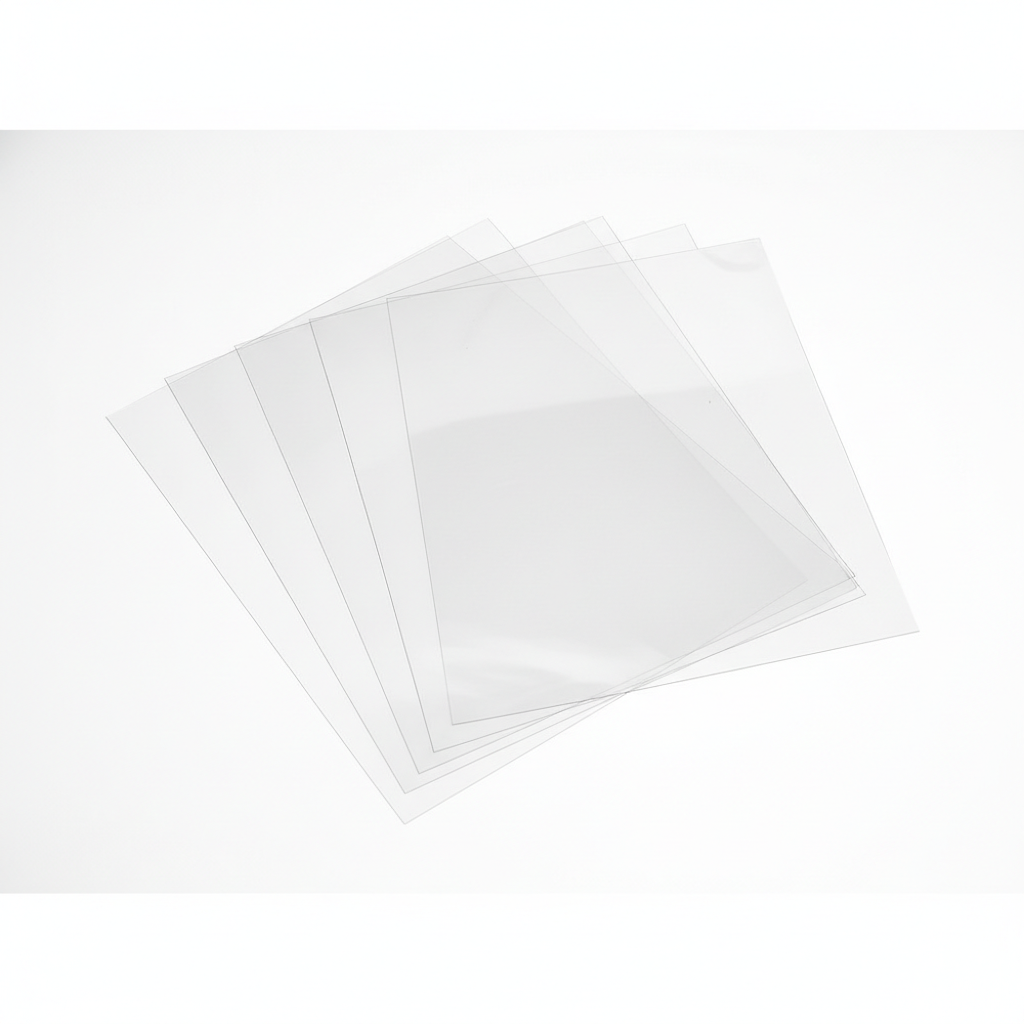
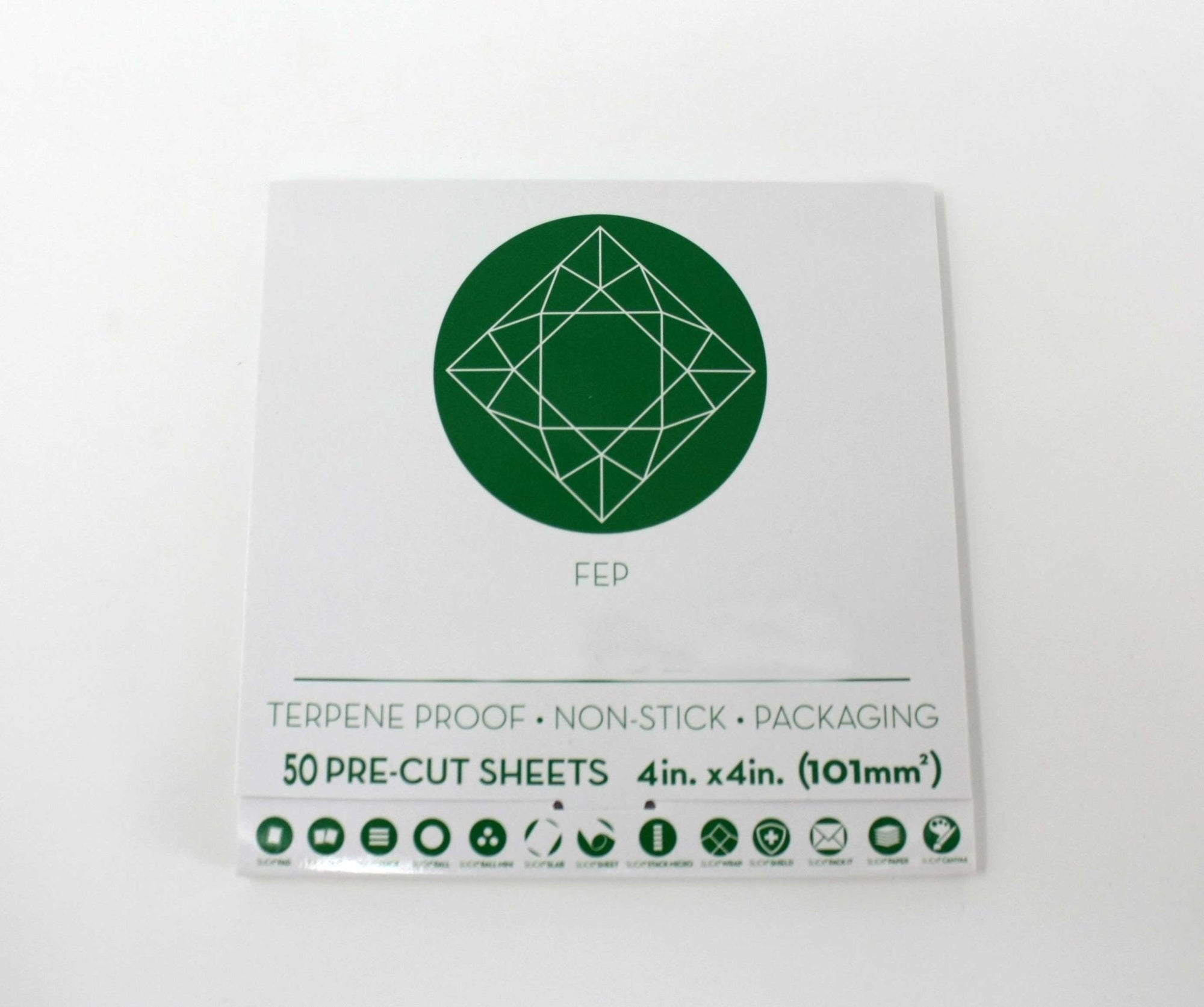
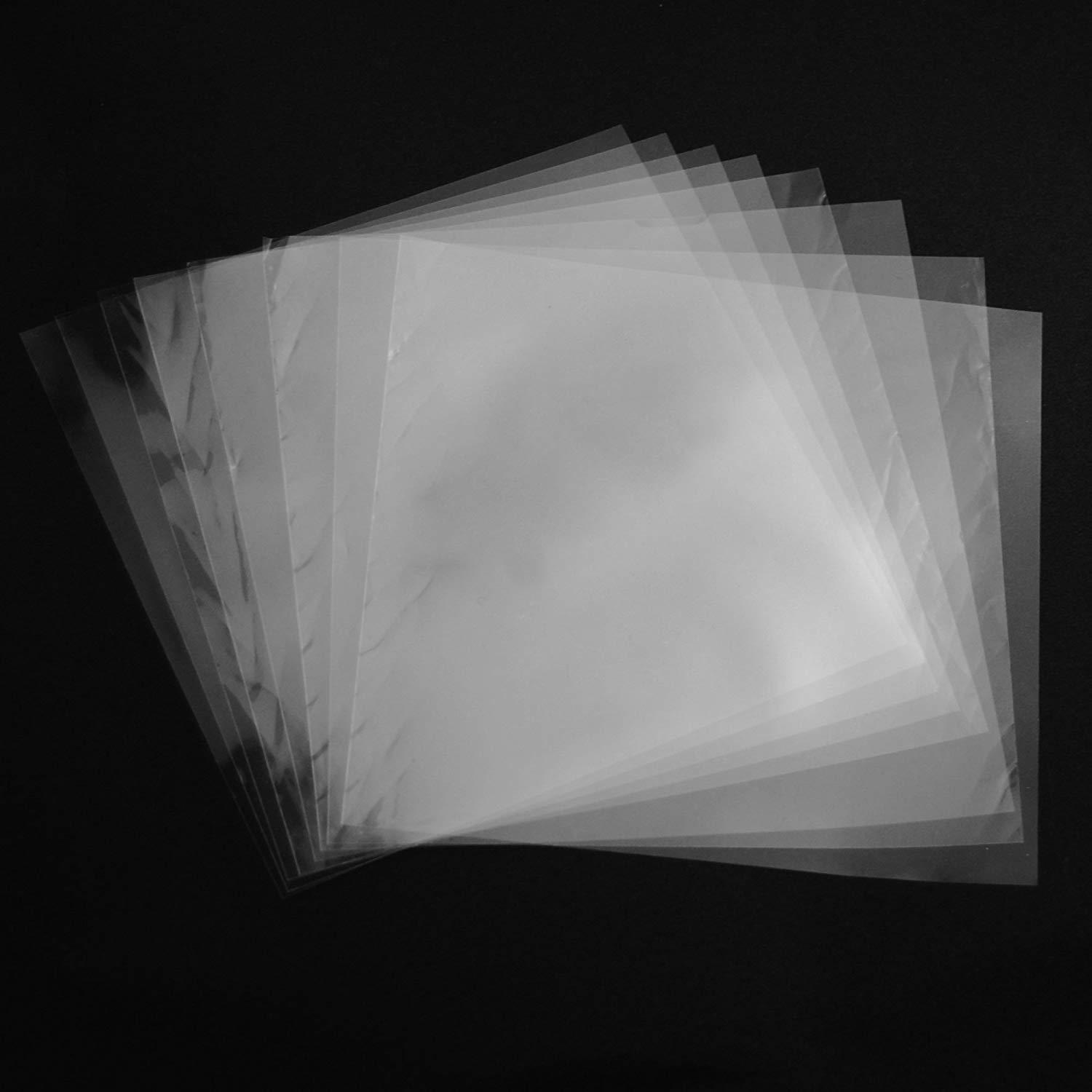
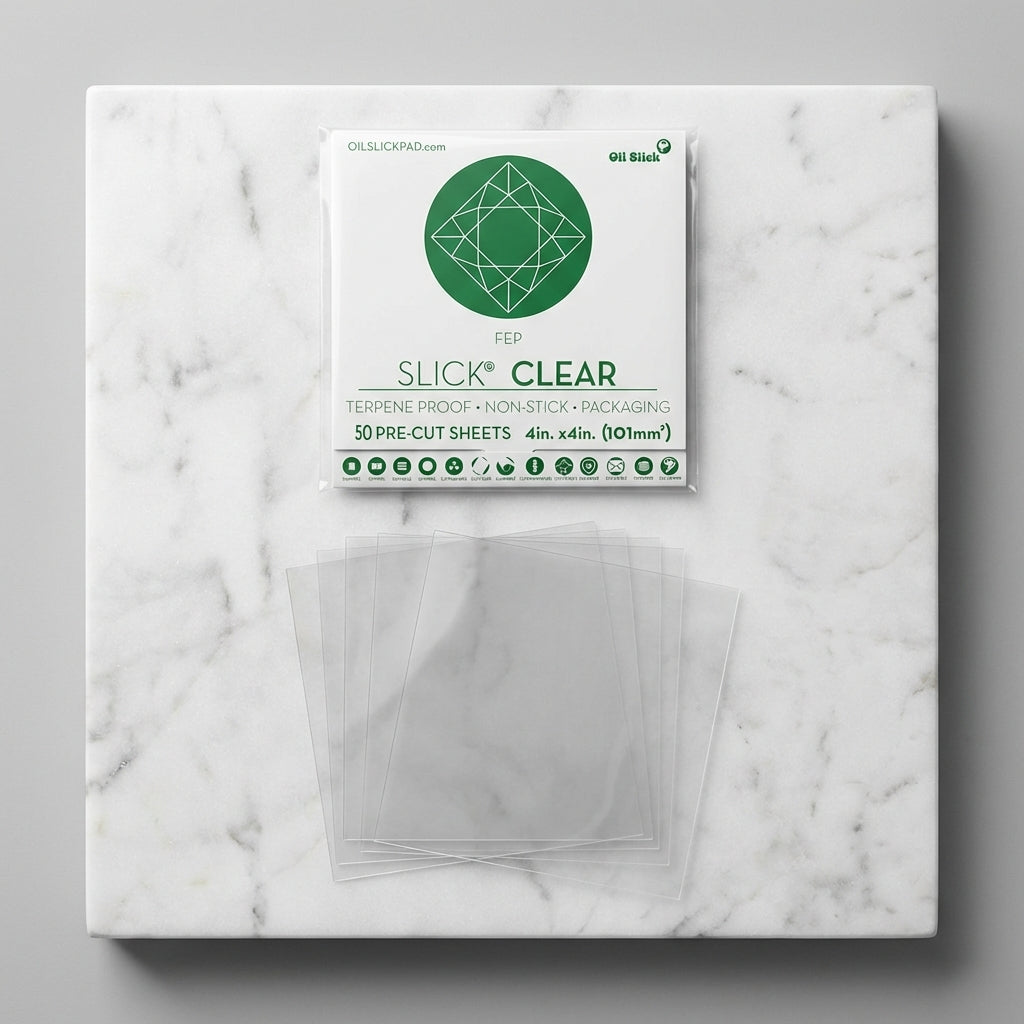
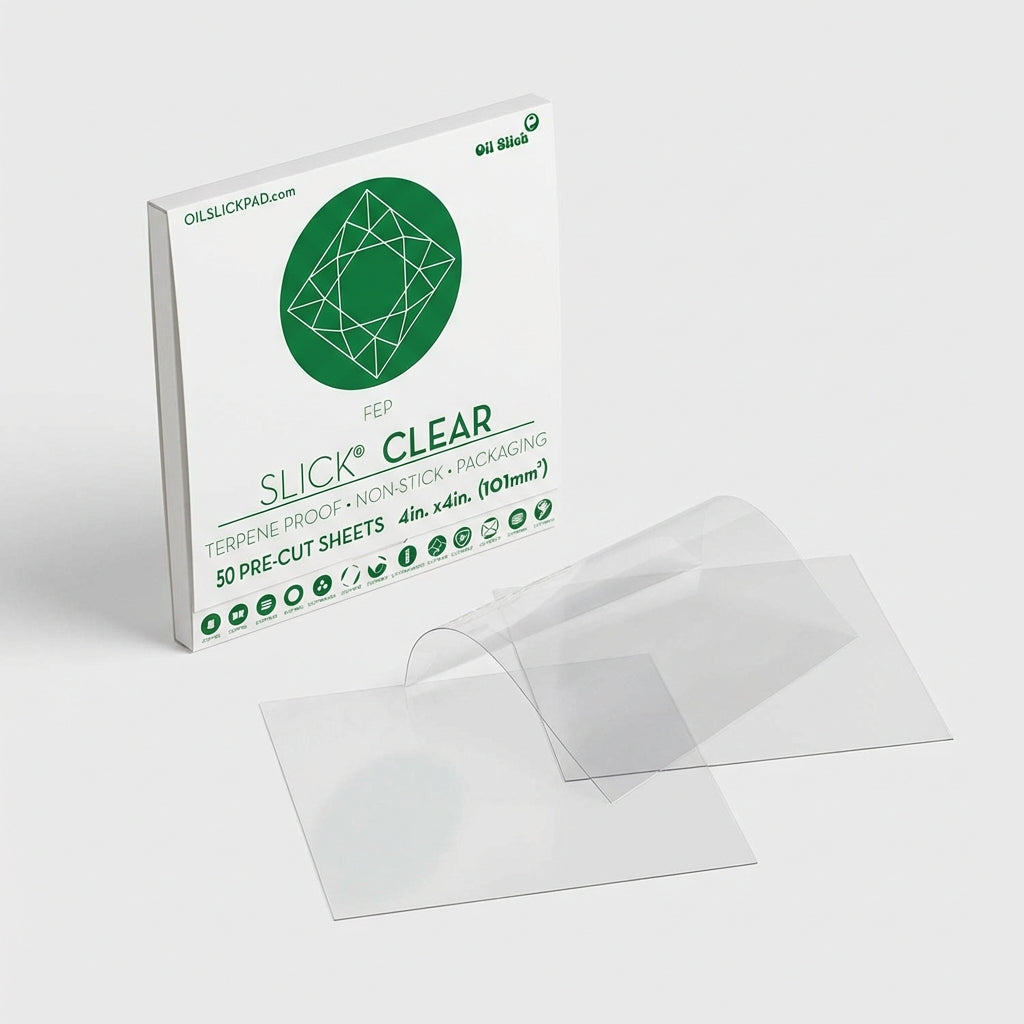
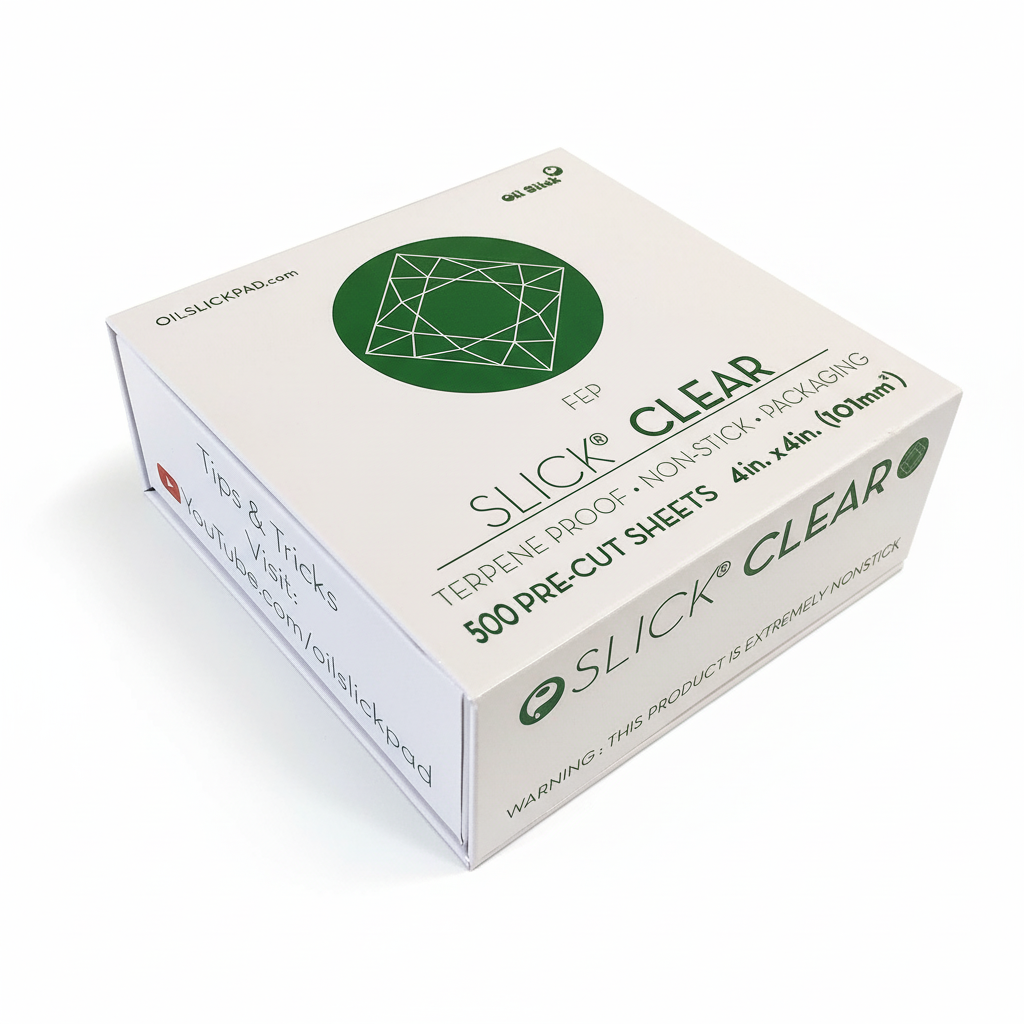


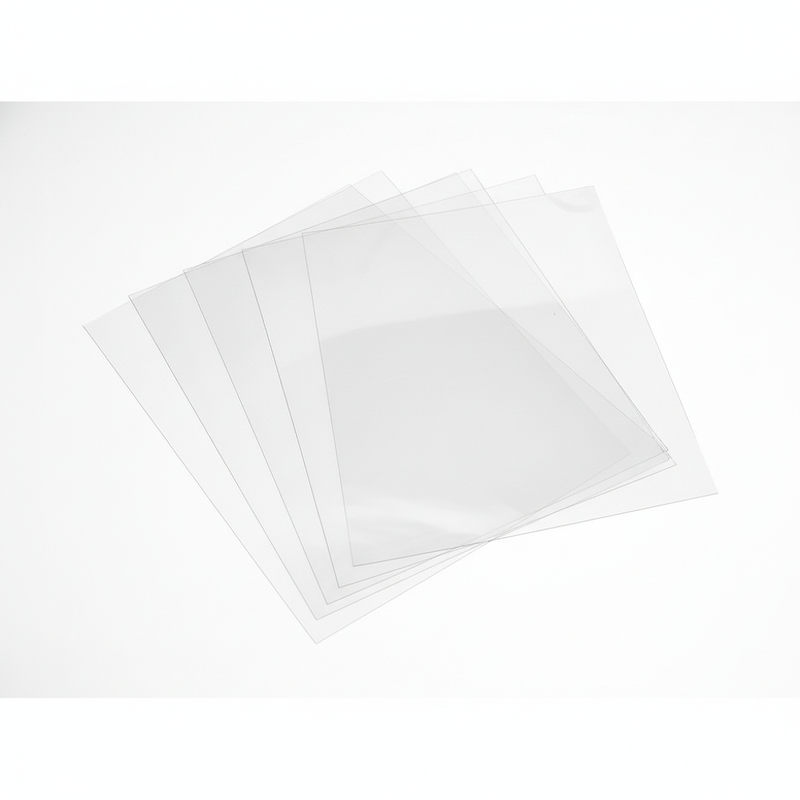
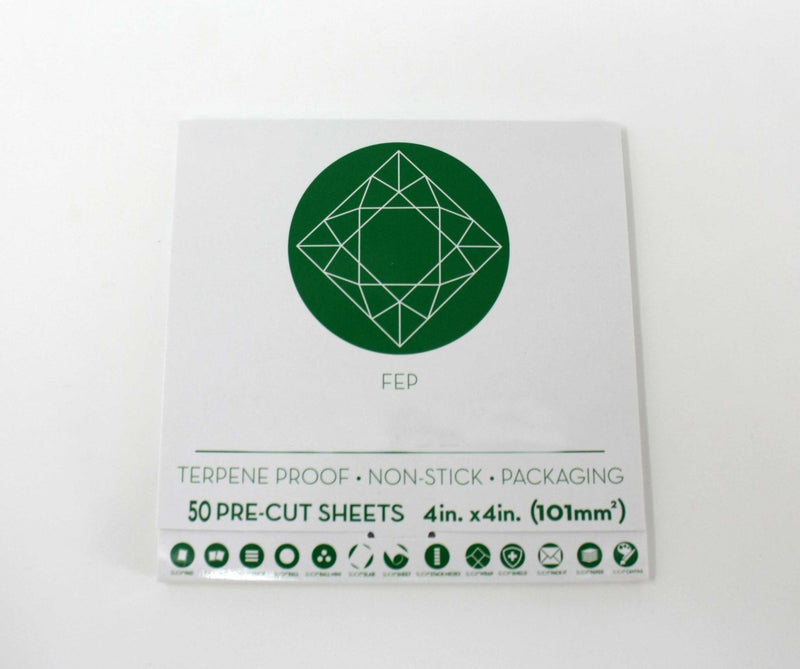
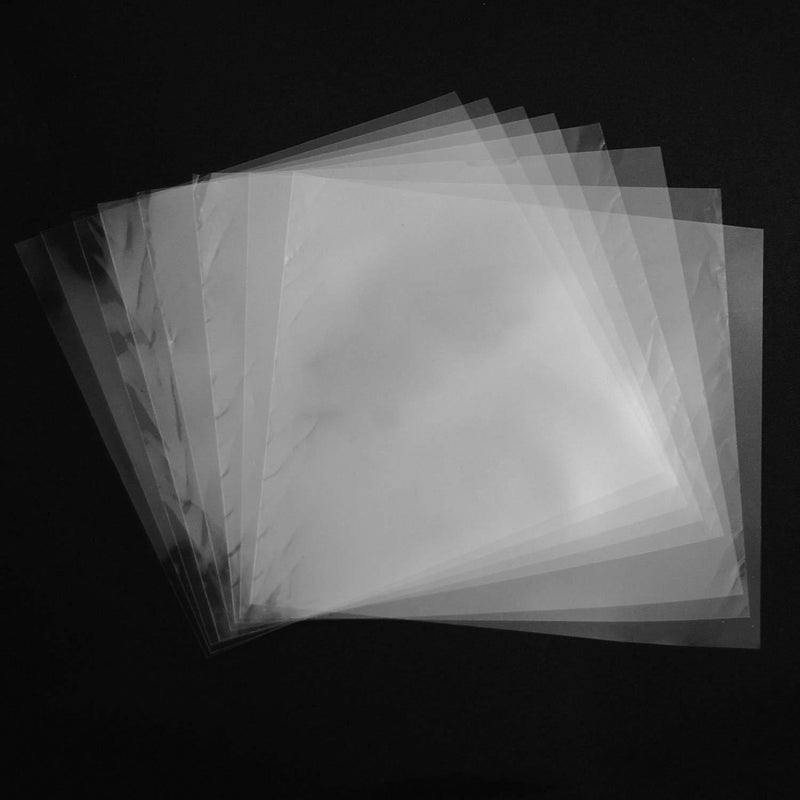
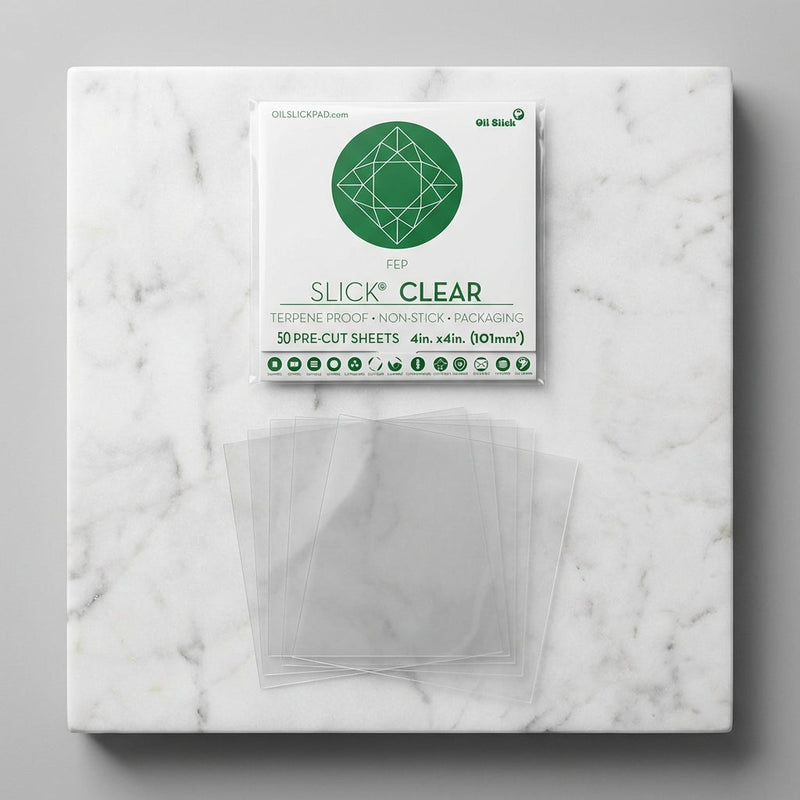
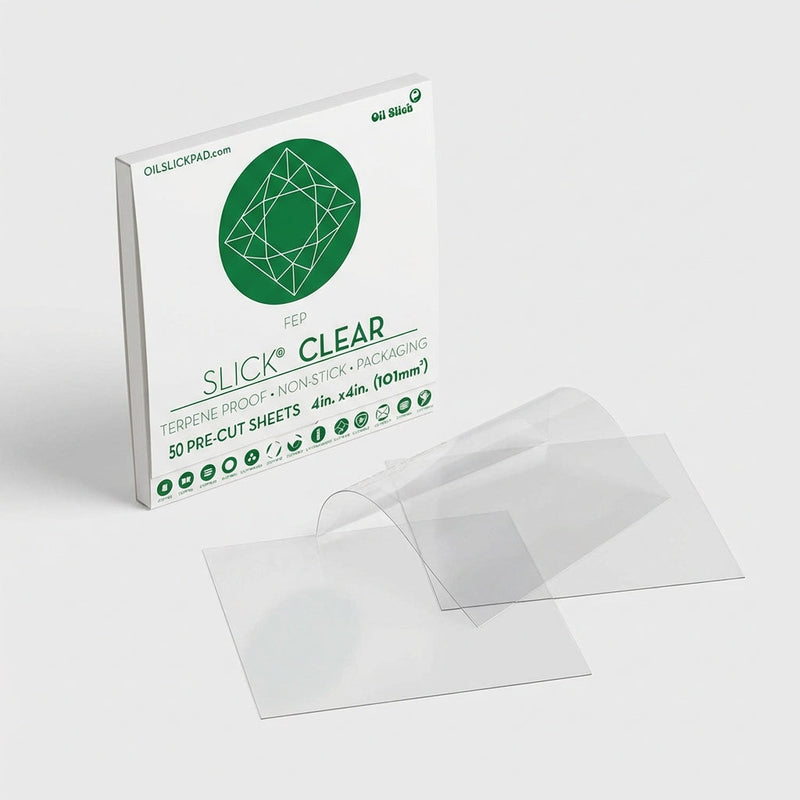
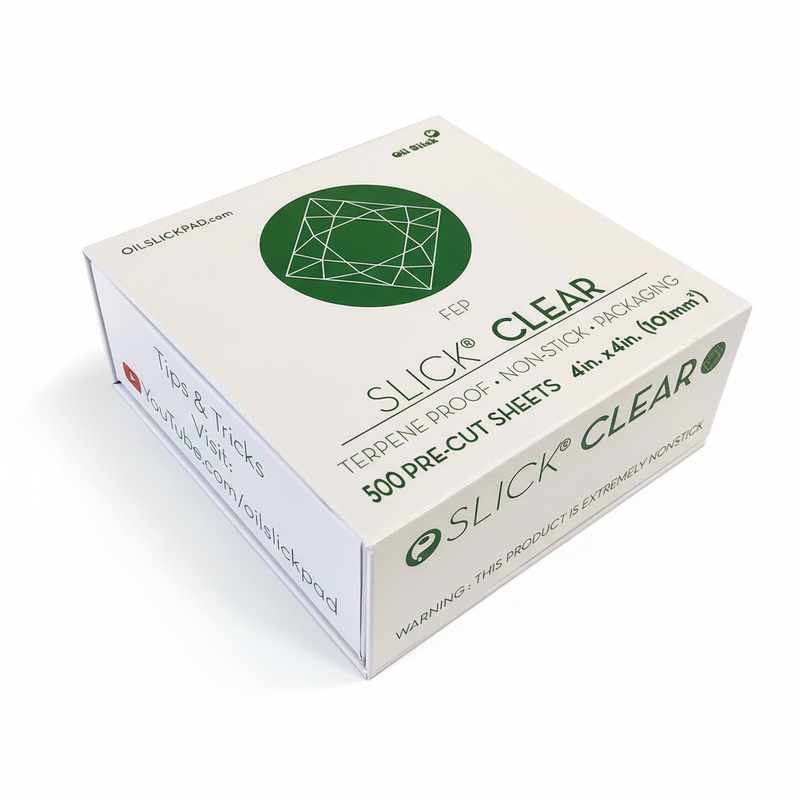
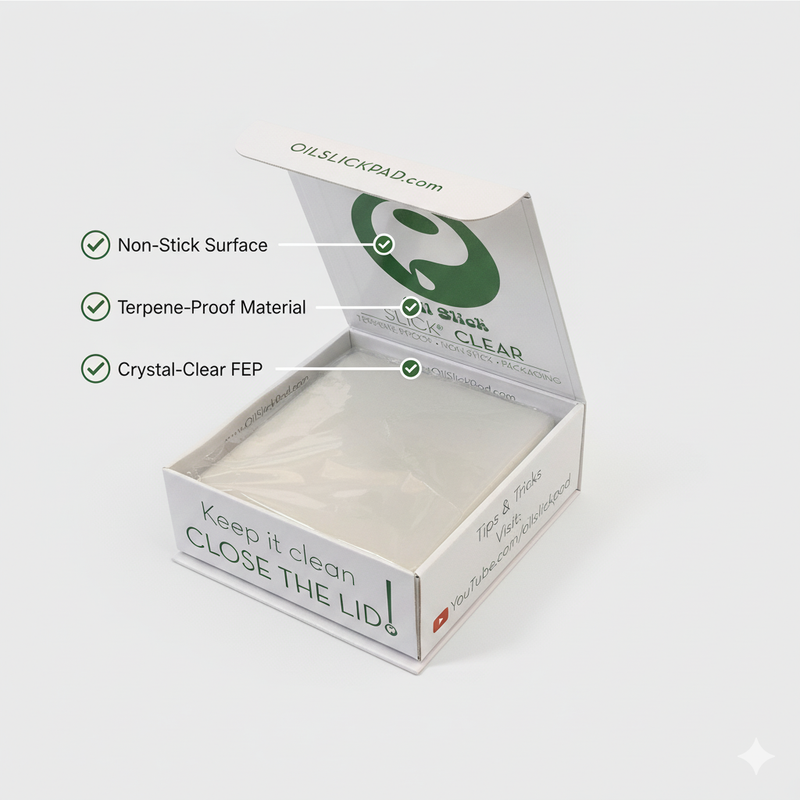
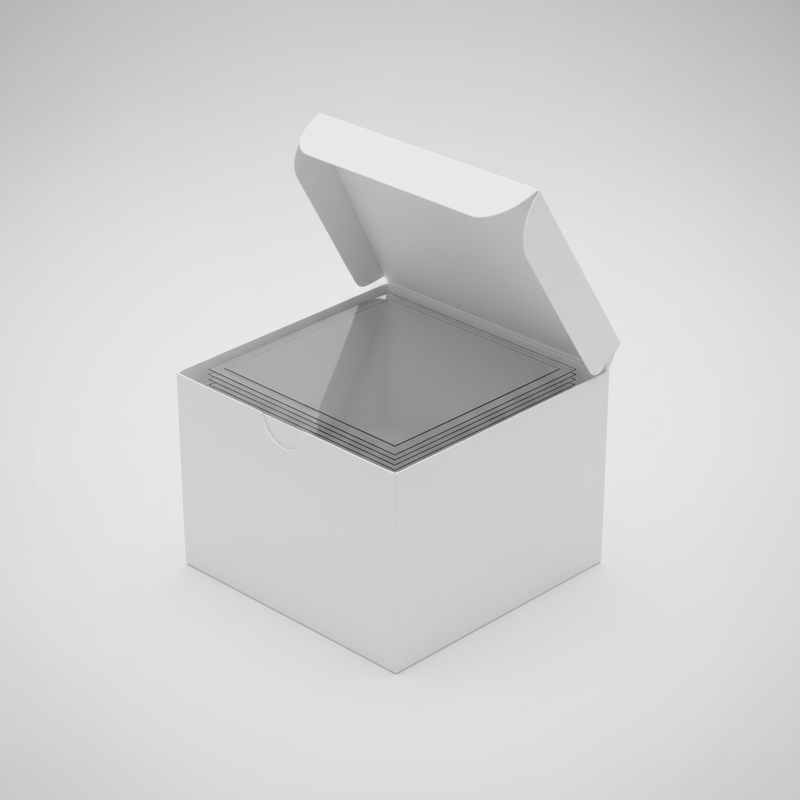
Clear FEP, precut, virgin film. The transparent cousin of PTFE.
FEP (fluorinated ethylene propylene) is what you want when you need the nonstick performance of PTFE but you also need to see through the sheet. 3D resin printer film. Heat-press underlay where you want to monitor the transfer. Lab work where transparency matters. Sold in precut sheets at standard sizes and thicknesses.
5% off 5+ units. 10% off 10+. 15% off 25+. No code needed at checkout.
Why this one
A lot of FEP on the market is blended film with trace impurities that affect clarity and chemical resistance. We sell virgin FEP, which is the spec lab and resin-printer applications actually require.
Specs
- Material: Virgin FEP film (100%, not blended)
- Thicknesses: 5 mil, 10 mil
- Sizes: Standard 3D printer build-plate dimensions, custom on request
- Heat tolerance: 400F continuous
- Chemical resistance: Compatible with standard resin solvents and isopropyl alcohol
- Optical clarity: Light transmission above 95% at 5 mil thickness
What people use it for
“Exactly what I was looking for to use as a chemical-resistant placemat for the lab bench.”
“3D resin printer film that actually lasts. The cheaper sheets fog after 50 prints.”
“Heat-press underlay where I need to see what is happening on the platen.”
Common questions
What is the difference between FEP and PTFE?
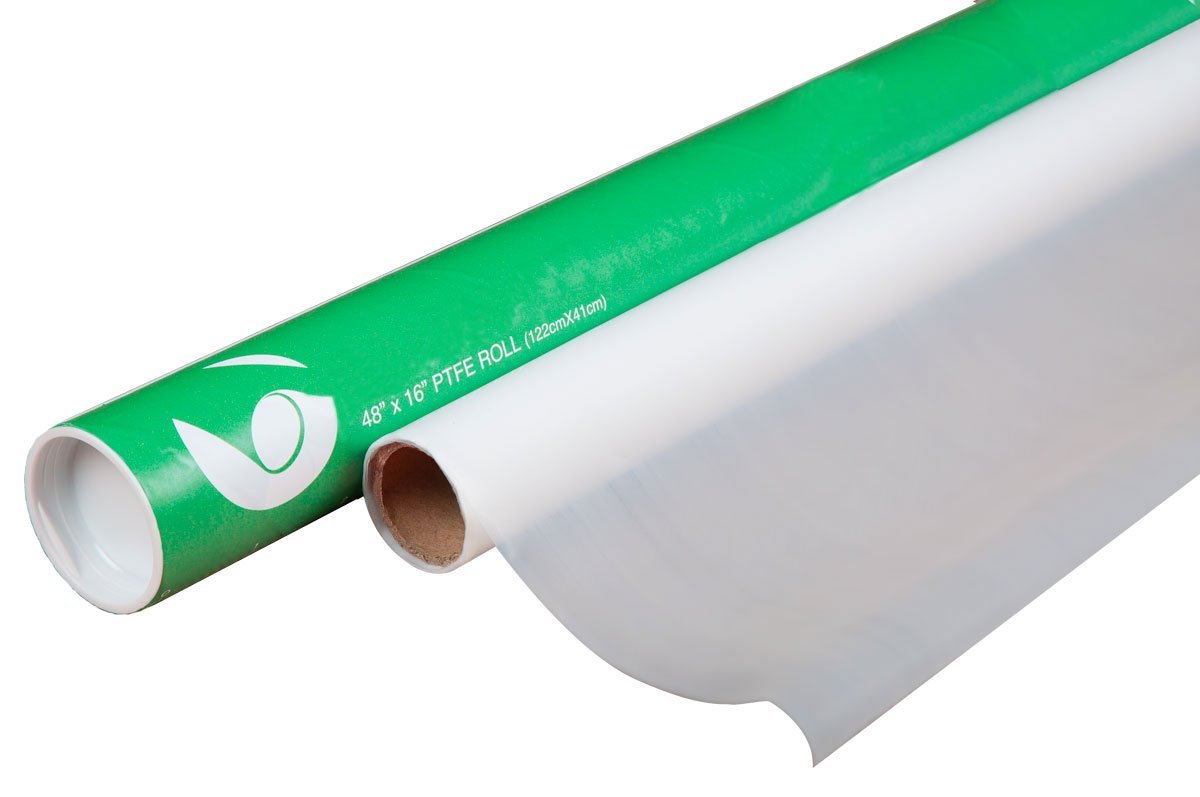
FEP is clear. PTFE is opaque white. Both are fluoropolymers, both are nonstick, both are chemically inert. PTFE handles higher continuous temperatures (500F vs FEP’s 400F). FEP gives you visibility.
Which thickness for my 3D resin printer?
Check your printer’s spec. Most consumer resin printers use 5 mil. Larger industrial printers use 10 mil. We carry both. Check your printer’s manual for the recommended spec.
How long does FEP last in a resin printer?
With normal use, 50 to 200 prints before clouding or perforation. The failure mode is usually a small puncture from a failed print, not surface wear. Stocking a spare sheet is cheap insurance.