

Collection
Release Paper and Nonstick Sheets








Frequently Asked Questions
Release paper is a sheet with a nonstick coating, so adhesive, vinyl, resin and sticky dough let go of it instead of tearing it. Everything here does some version of that job. The table below shows where to start for each kind of project.
| If you're doing | Start with |
|---|---|
| Diamond painting | Silicone release paper, 8.5 x 14 in sheets |
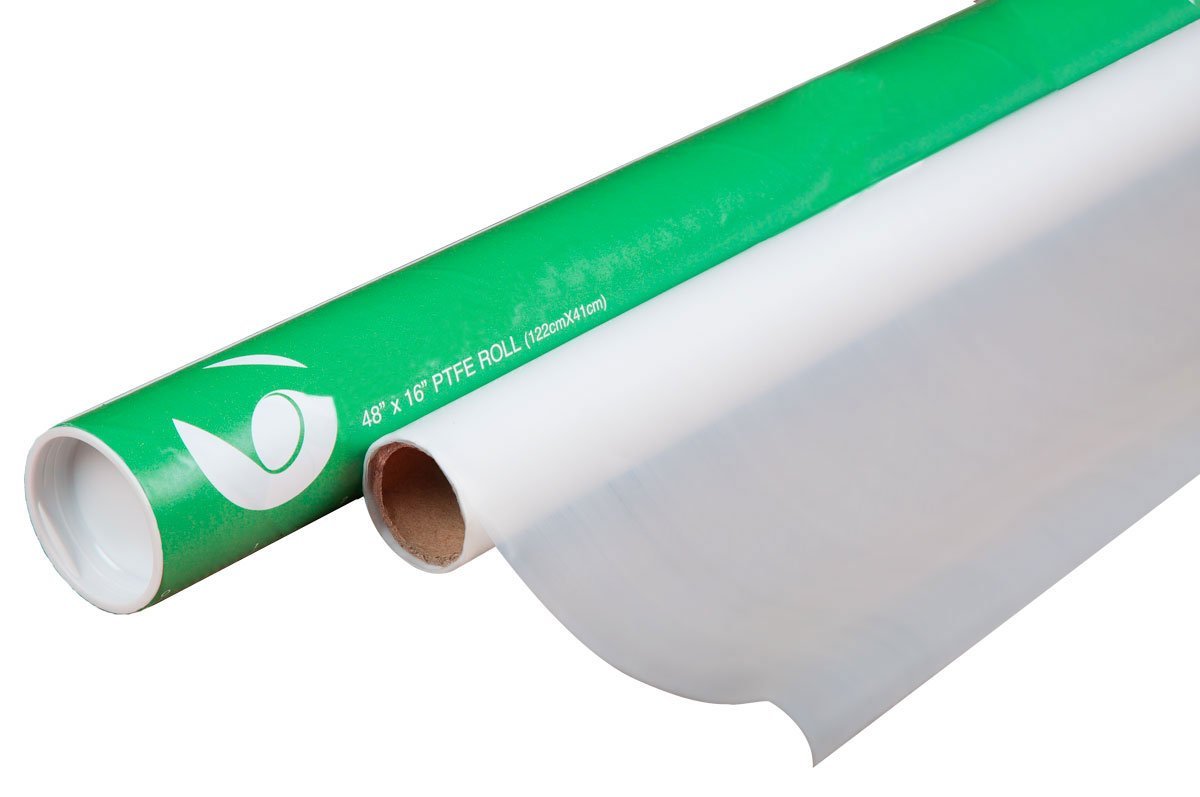
| Heat press, HTV and sublimation | A PTFE roll, cut to fit your press |
| Stickers and labels | Silicone release paper or the 4.5 in precut squares |
| Resin | PTFE or clear FEP under the pour, release paper for small pieces |
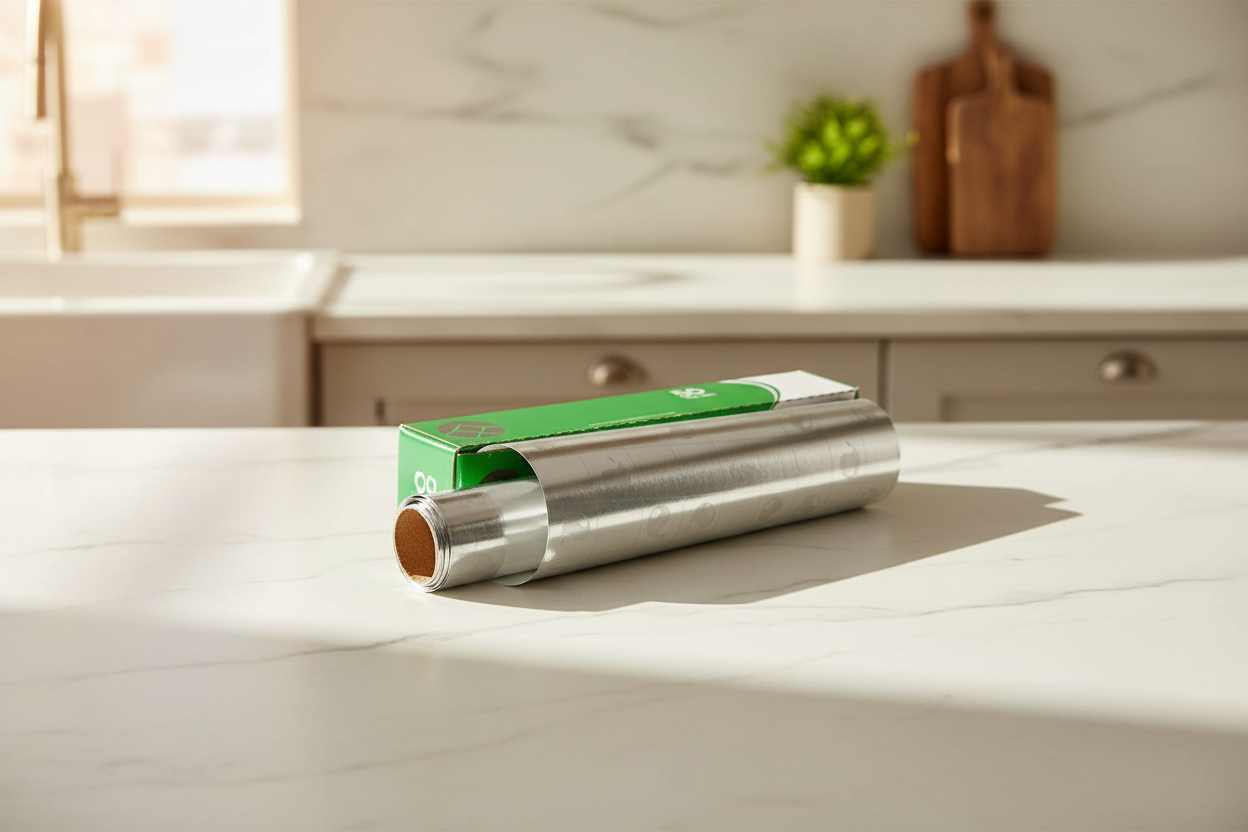
| Baking | Foil-backed parchment wrap |
Release paper vs parchment paper
Parchment is made for the oven. Release paper is made to sit against something sticky and peel away clean. They overlap a little, but they aren't the same sheet. We compared them side by side, along with FEP, in this guide.
Sheets, squares or rolls
- Silicone release paper: 8.5 x 14 in sheets, 250 to a box, or 12 boxes (3,000 sheets).
- Precut squares: 4.5 x 4.5 in, in packs of 1,000 or 5,000.
- PTFE: a 16 x 48 in roll, or 50 ft rolls if you go through a lot.
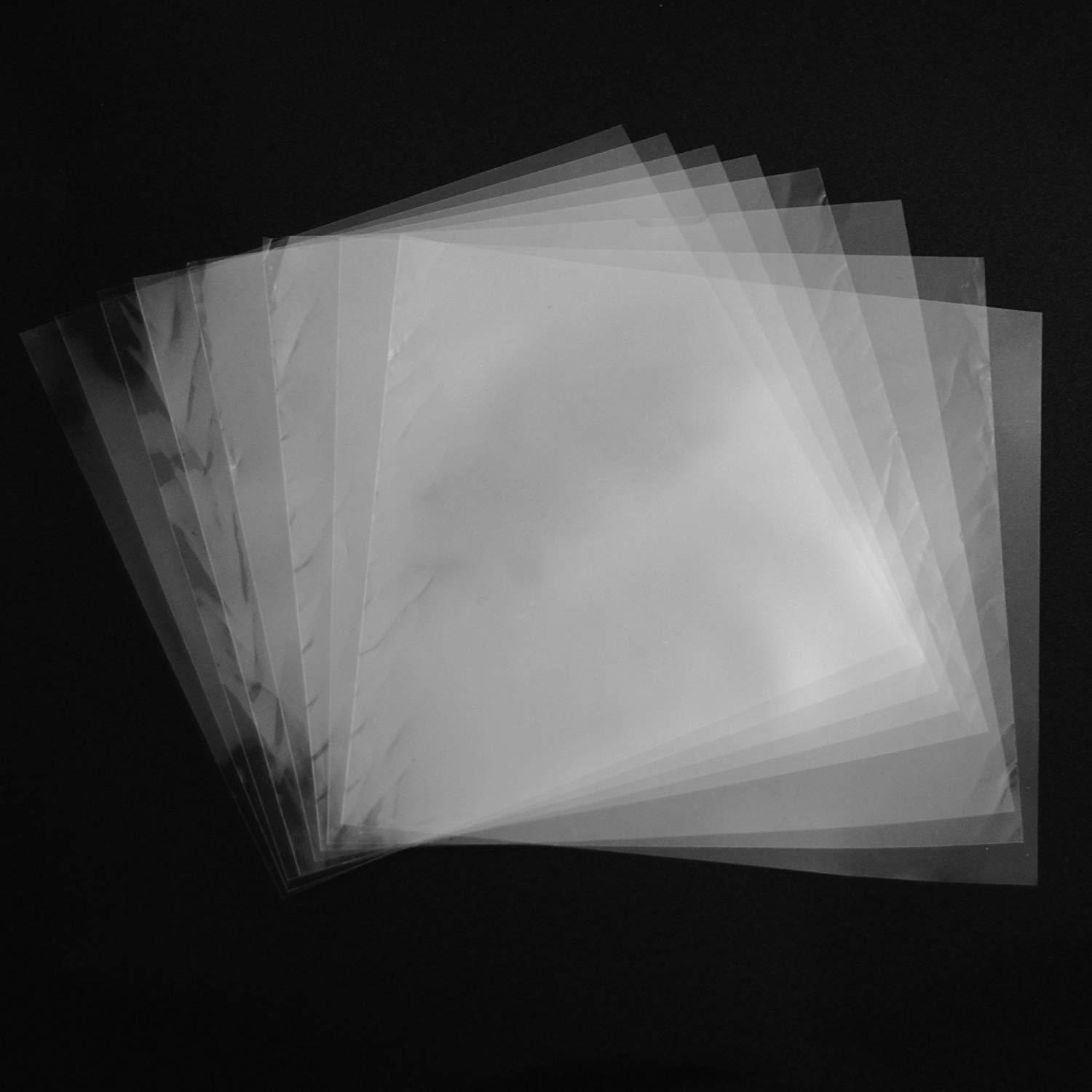
- Clear FEP: precut sheets, .05 mm thick, 500 to a pack.
- Foil-backed parchment: 12 in x 50 ft rolls.
5% off 5+ units. 10% off 10+. 15% off 25+. No code needed at checkout.
Common questions
What is silicone release paper?
Paper with a silicone coating. Silicone doesn't bond to most adhesives, inks, vinyl or resin, so whatever you lay on it peels off cleanly.
Is release paper the same as parchment paper?
No. Parchment is made for baking. Release paper is made to sit against adhesive and peel away clean. Here's a full comparison.
What is silicone paper used for?
Diamond painting cover sheets, sticker and label backing, heat press cover sheets, and keeping resin or glue off a work surface.