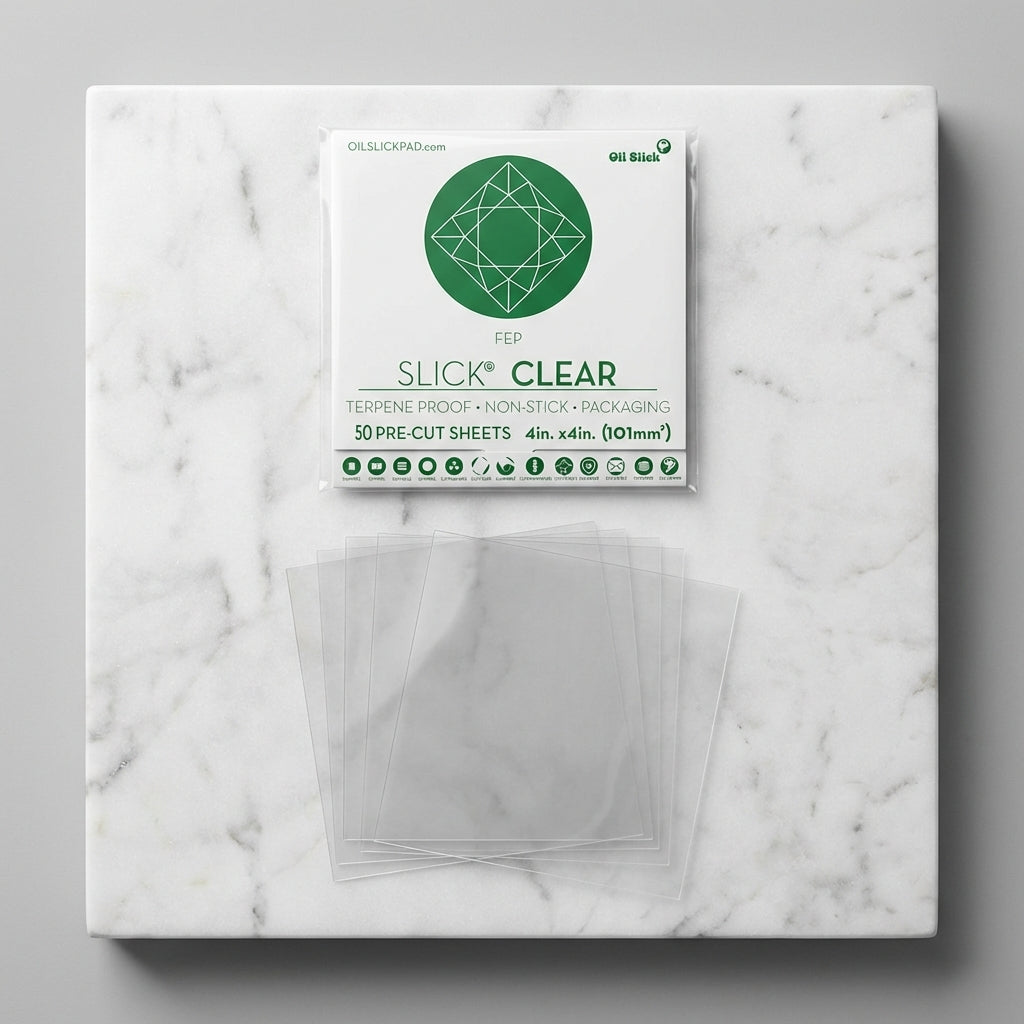
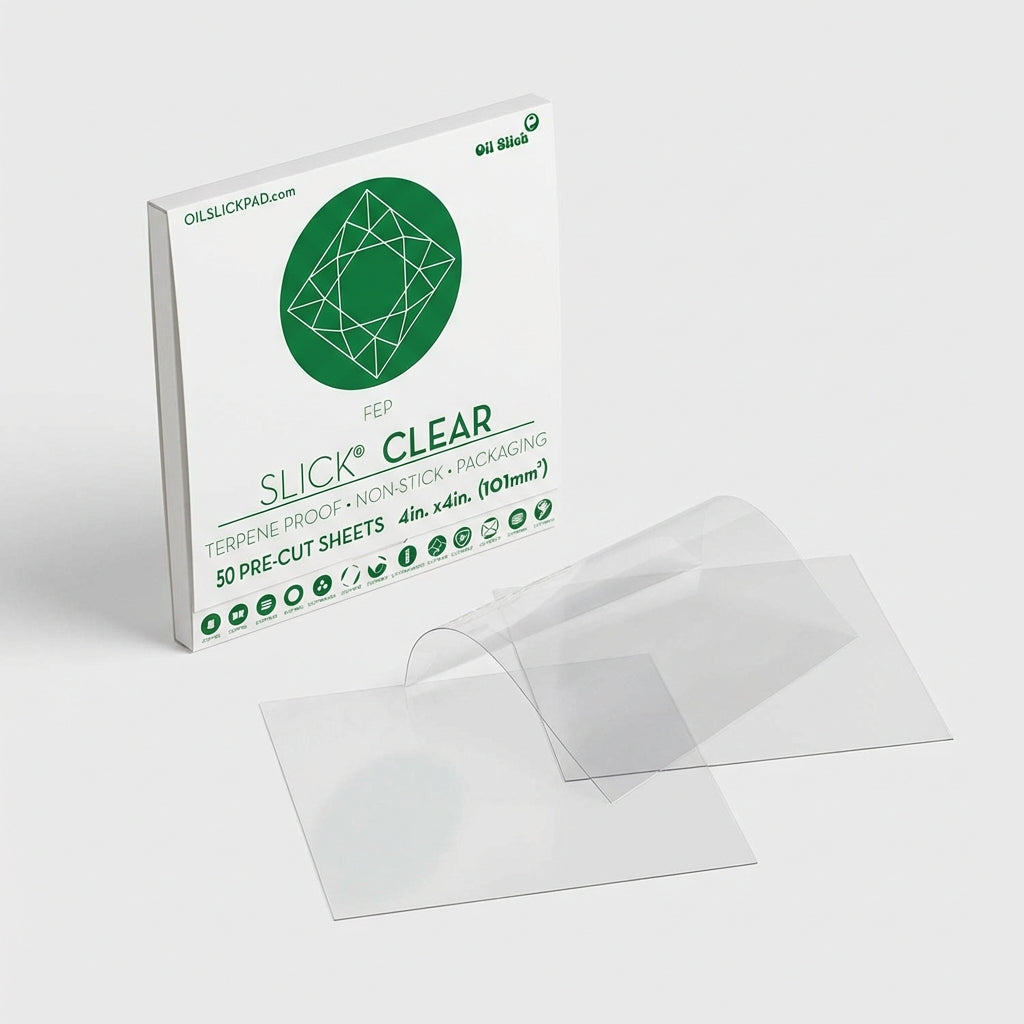
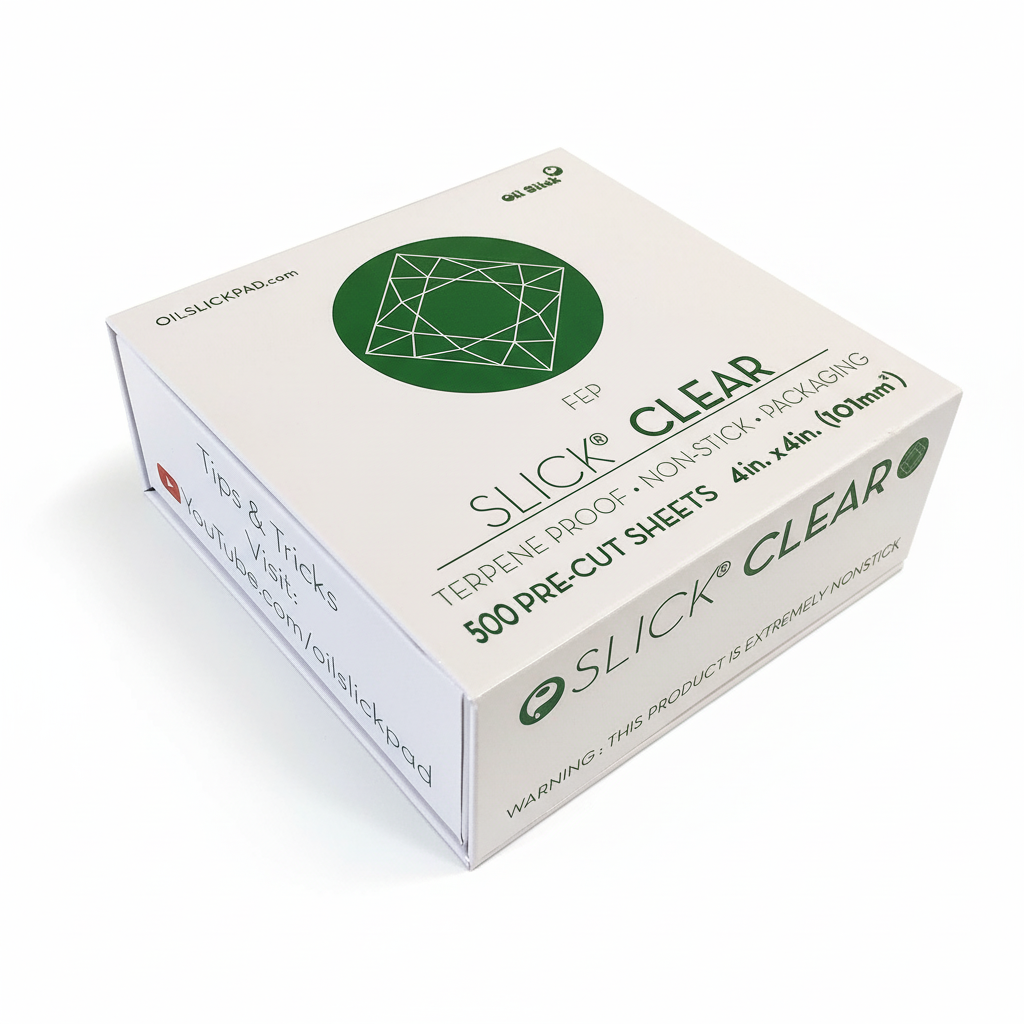
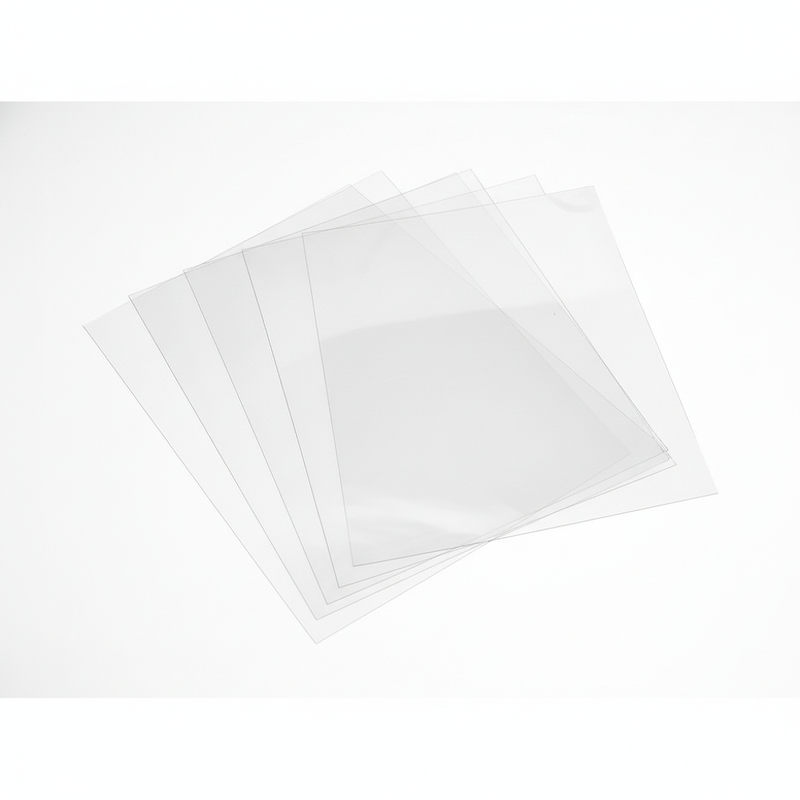
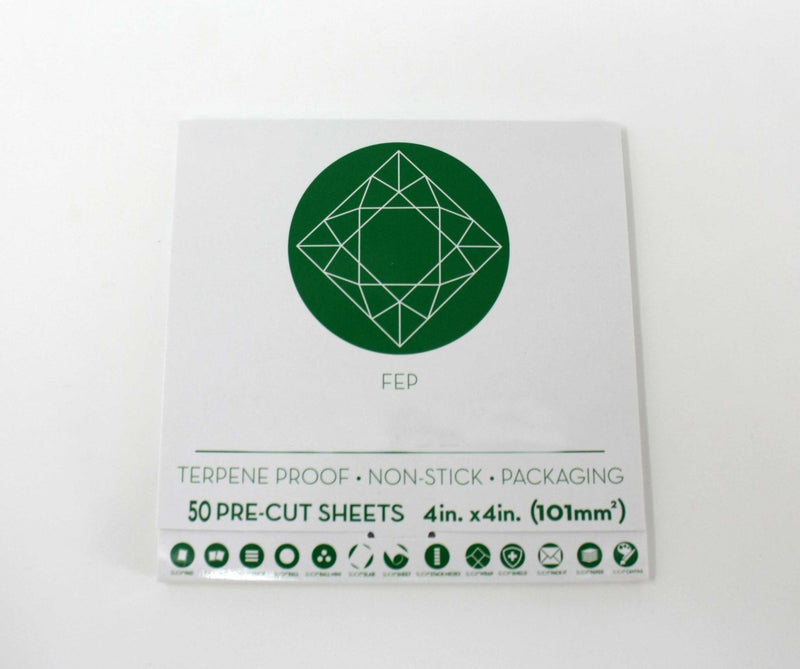
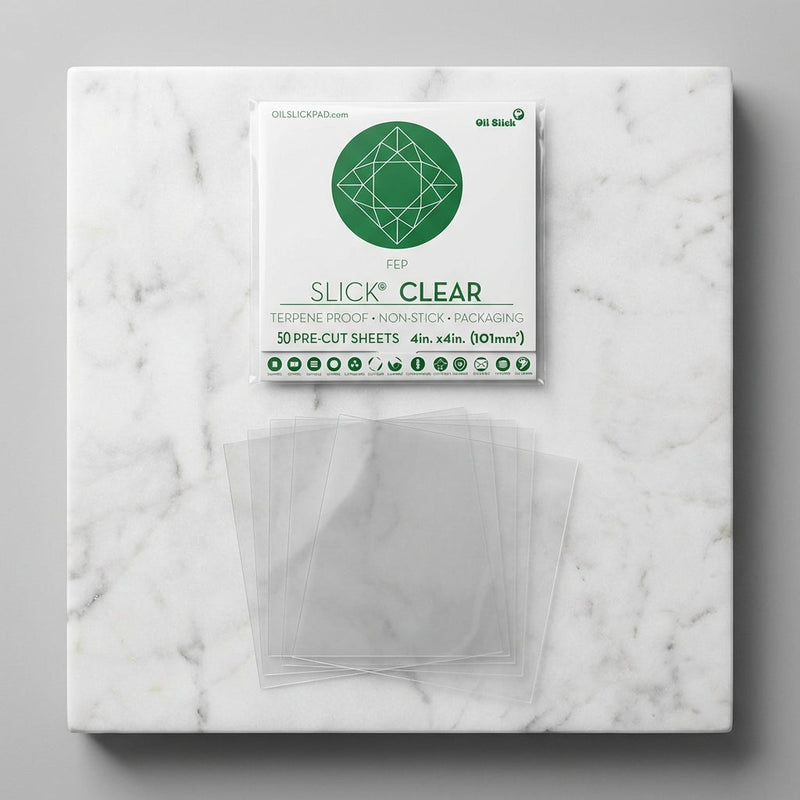
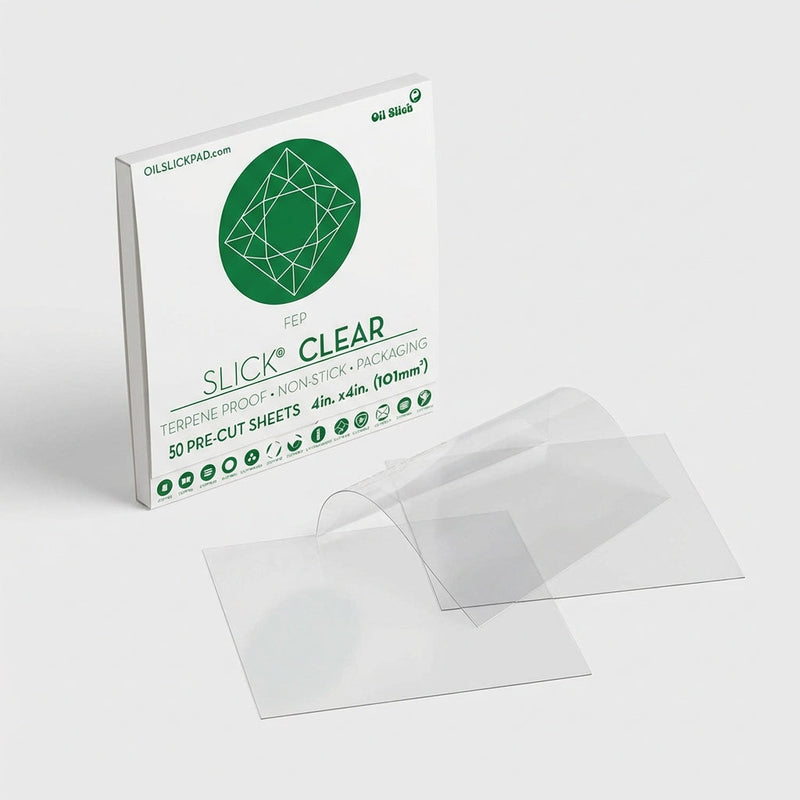
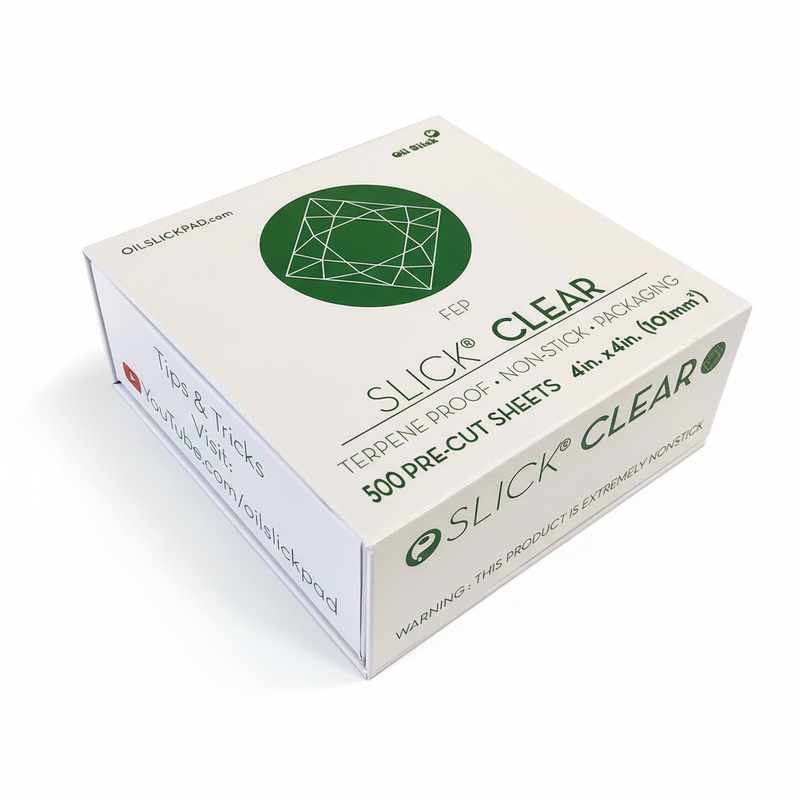
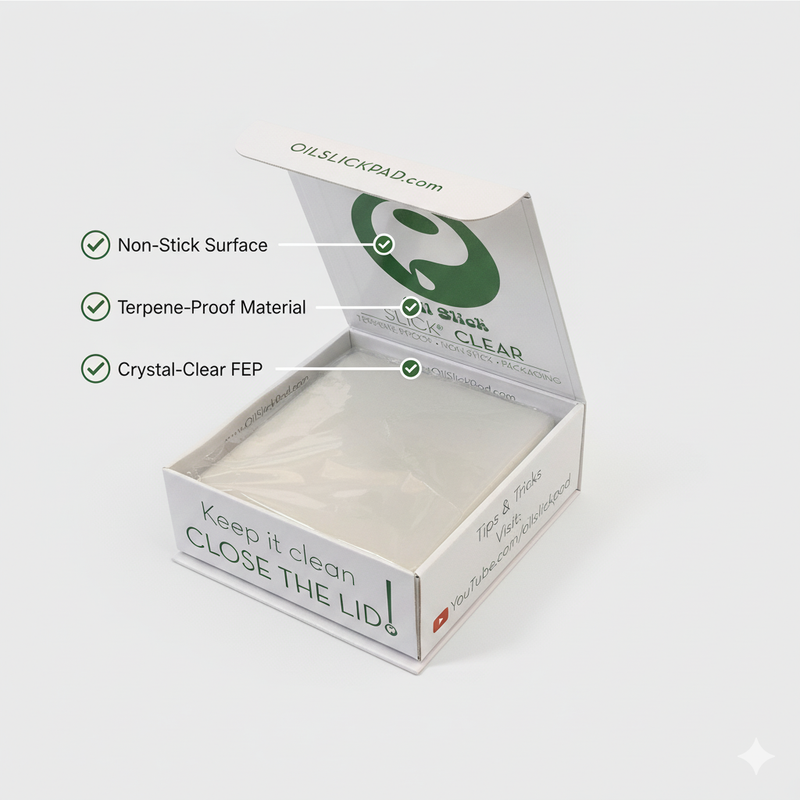
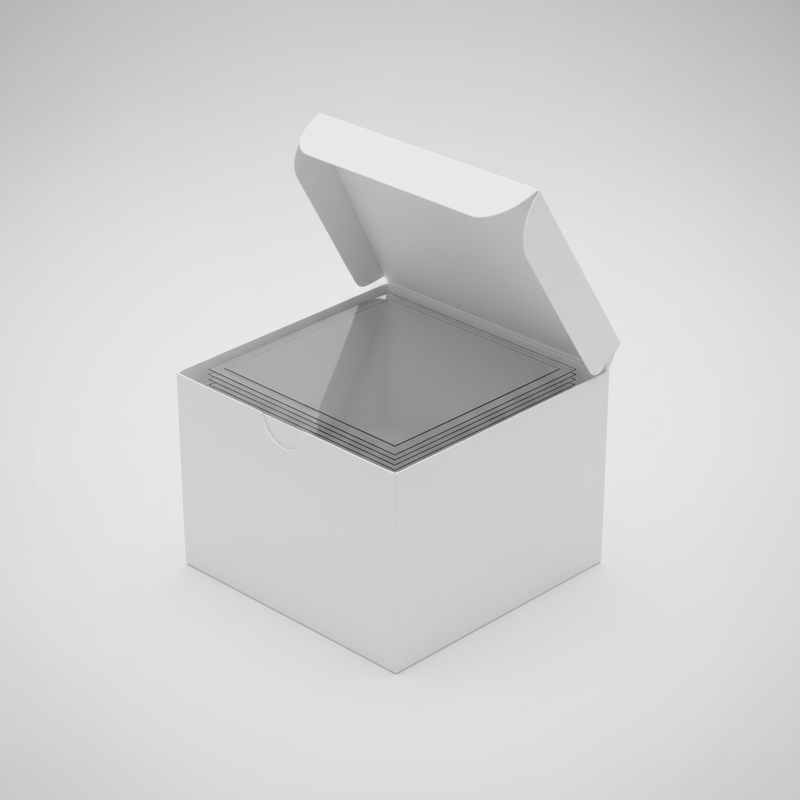
Kraft & Kitchen Clear FEP Sheets Precut

Secure Checkout
Free Shipping $50+
Quality Guaranteed
SSL Encrypted

What Makes FEP Different From PTFE?

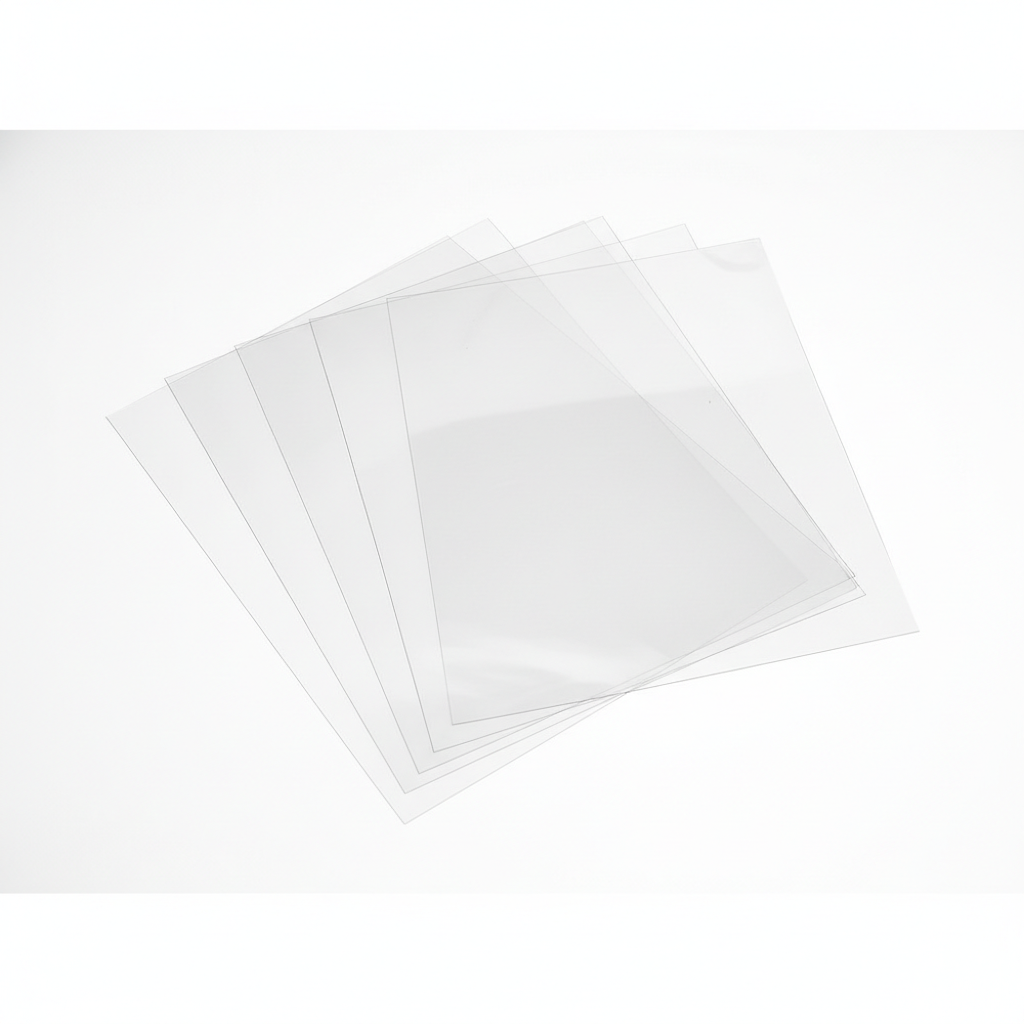
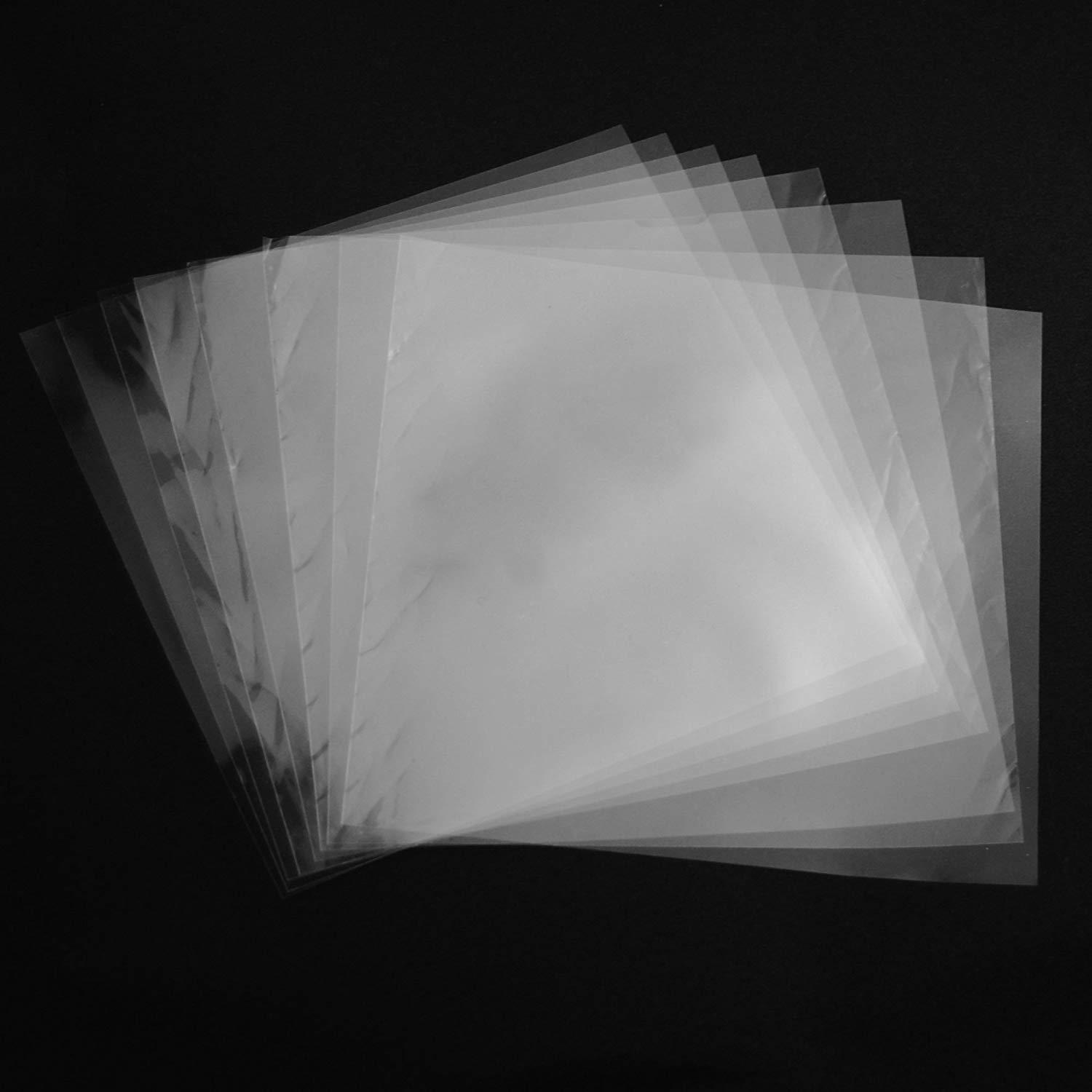
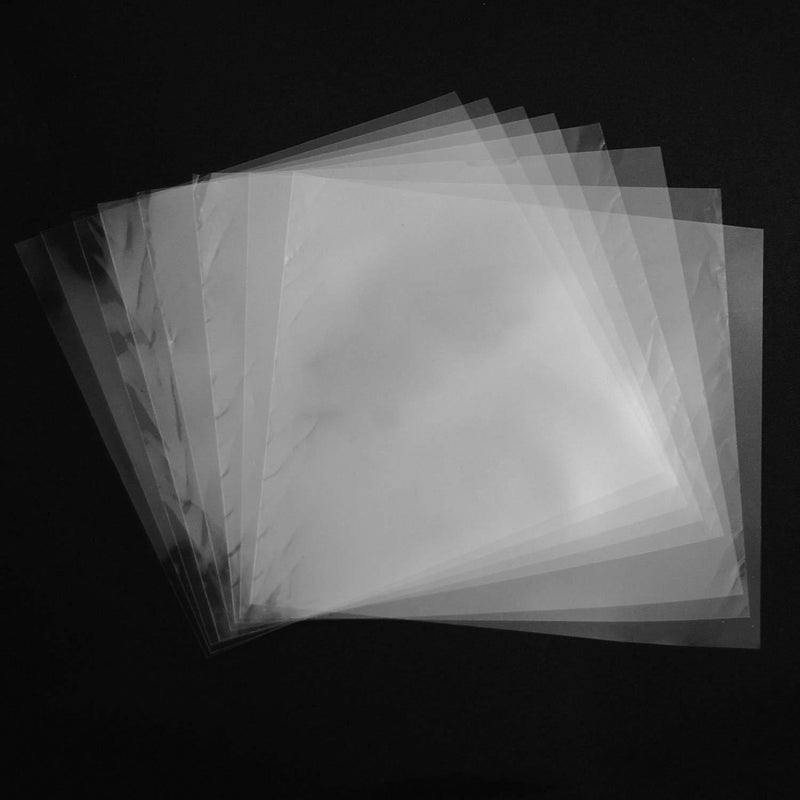
FEP (fluorinated ethylene propylene) is the clear version of PTFE. It delivers the same chemical resistance and nonstick performance but lets you see through it. That transparency makes FEP the go-to material for resin casters who need to monitor curing progress, 3D printer operators replacing vat films, and anyone requiring nonstick performance without blocking visibility. Our precut FEP sheets come in two thicknesses - 0.05mm for fine applications and 0.07mm for general-purpose use - both with optical-grade clarity and zero haze.

Why Transparency Matters for Your Project

When you're casting resin, checking the cure state without opening your mold or removing your project is invaluable. UV light passes through FEP film with minimal attenuation, so UV resin cures effectively through the material. For 3D printer operators, FEP replacement films must maintain optical clarity to ensure proper light transmission and consistent cure layers. In craft and epoxy applications, seeing your project as it cures or sets up accelerates your workflow and prevents surprises.

Key Features That Matter

  • HD optical-grade clarity with zero haze or distortion
  • Two thicknesses available 0.05mm (fine) and 0.07mm (standard)
  • Completely nonstick to resin, epoxy, silicone, paraffin, and adhesives
  • Chemically inert to UV resin, solvents, and curing agents
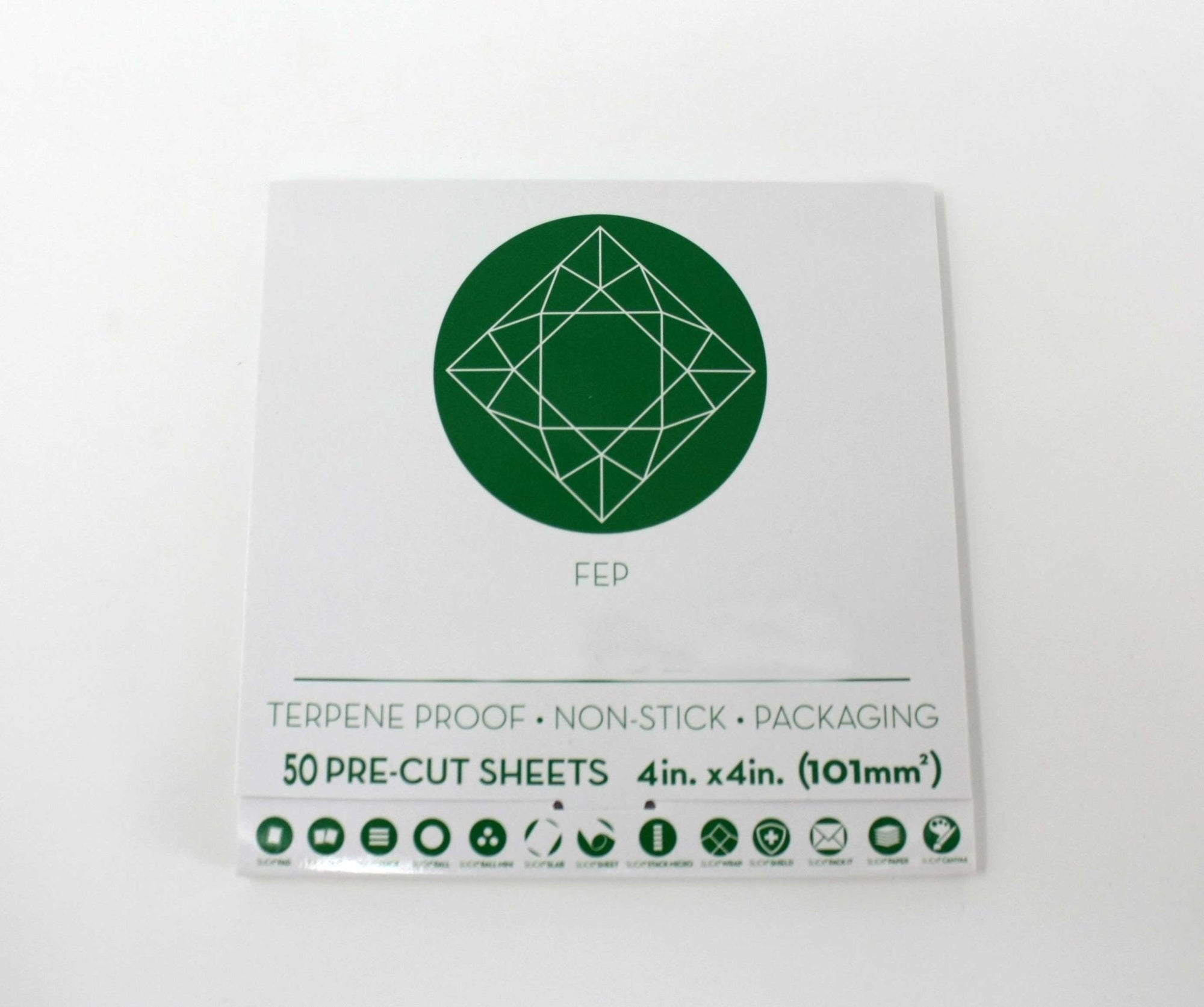
  • Precut to standard size for convenience and consistency
  • Heat resistant up to 400°F (204°C)
  • Reusable multiple times with proper care and gentle handling
  • Available from 50 to 5,000+ sheets for any scale of operation
  • Both sides nonstick for maximum flexibility in orientation

Complete Specifications

Feature Detail
Material Fluorinated Ethylene Propylene (FEP)
Thicknesses Available 0.05mm and 0.07mm
Clarity HD Optical Grade, zero haze
Transparency Crystal-clear, allows light transmission for UV resin curing
Heat Tolerance Up to 400°F (204°C)
Chemical Resistance Inert to UV resin, epoxy, solvents, and most chemicals
Nonstick Performance Both sides, completely nonstick
Reusable Multiple uses with proper care
Quantity Options 50, 100, 500, 1,000, 5,000+ sheets per pack
Format Precut sheets, ready to use

Real Applications That Depend on Clarity

Resin casting and curing: Nonstick work surface and curing sheet you can see through to monitor progress without removing your project. Perfect for checking amber clarity or watching pour levels in molds without disassembling your setup.

3D printing (SLA/DLP): Replacement FEP film for resin printer vats. These sheets are manufactured to the optical standards that printer manufacturers specify. Check your printer's documentation for the recommended FEP thickness - we stock both common sizes.

Craft work and epoxy projects: Nonstick surface for polymer clay, epoxy projects, and mixed media where you need to see the layers as you work. The transparency helps you evaluate colors, layering, and overall composition in real-time.

Laboratory and industrial use: Chemical-resistant work surface liner for applications requiring visibility. The optical clarity combined with chemical inertness makes FEP invaluable for sensitive procedures.

Food preparation and candy work: Nonstick surface for candy making, chocolate tempering, and delicate pastry work where visual inspection during the process is essential.

FEP vs. PTFE: When to Choose Which

Choose FEP when: You need to see through the material, you're using it for 3D printer vat replacement, you want to monitor projects during curing, or transparency is essential to your workflow.

Choose PTFE when: You need maximum heat tolerance (500°F+), transparency isn't required, or you're doing heavy-duty heat press work where you don't need to see the substrate.

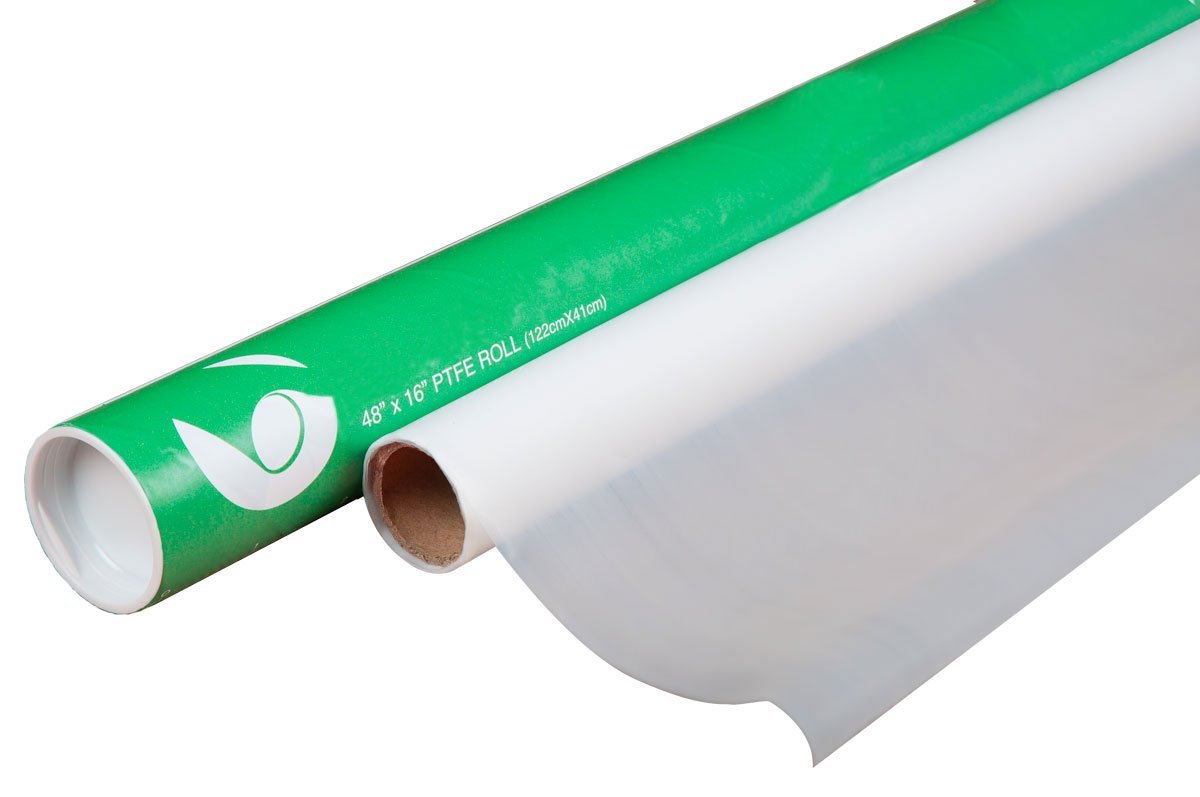
Key differences: FEP is clear, PTFE is opaque white. PTFE handles higher temperatures. FEP is more flexible and drapes easily around curved surfaces. FEP typically costs more due to manufacturing complexity. Both deliver excellent nonstick properties.

Choosing the Right Thickness

0.05mm (thin): More flexible and drapes easily around curved surfaces. Preferred by some 3D printer users and for applications requiring maximum drape. Thinner material is slightly more delicate but still provides reliable nonstick performance.

0.07mm (standard): Standard thickness for most craft work, general nonstick use, and 3D printer vat replacement. Provides good balance between flexibility and durability. This is the recommended choice if you're uncertain.

Frequently Asked Questions

Which thickness should I choose?

The 0.07mm is the standard for most applications including craft work and general nonstick use. It's the most versatile option. The 0.05mm is thinner and more flexible, which some 3D printer users prefer for vat replacement and applications requiring maximum drape around edges.

Can I use these as 3D printer FEP replacements?

Yes. These are optical-grade FEP film at the thicknesses commonly used in SLA and DLP resin printers. Check your printer's specifications for the recommended FEP thickness. Most printers use either 0.05mm or 0.07mm.

How many times can I reuse a sheet?

It depends on the application. For resin work, most users get 5-10+ uses per sheet before clarity visibly degrades or nonstick performance drops. For general craft use, sheets last even longer. Avoid folding or creasing, which creates permanent marks. Handle edges carefully to avoid tears.

Will UV resin cure through FEP?

Yes. UV light passes through FEP with minimal attenuation, so UV resin will cure through it. This is actually one of the main reasons FEP is used in resin 3D printers. The transparency allows full light penetration for consistent curing.

How do I clean FEP sheets?

Most residue peels right off once cured. For uncured resin, wipe with isopropyl alcohol. For stubborn spots, soak in warm soapy water. Don't use abrasive cleaners, scrubbers, or rough materials that scratch the surface. Gentle handling preserves clarity and nonstick properties.

Can I cut these sheets to different sizes?

Yes. Sharp scissors or a rotary cutter works well. These come precut to a standard size, but you can trim them to fit your specific molds or applications.

What happens if I fold or crease FEP?

Creases become permanent stress points. Avoid folding sheets for storage. Instead, lay them flat or roll them loosely. Permanent creases reduce transparency and can create weak points where the material fails under stress.

Is FEP suitable for food contact?

For food applications, verify the specific batch certification. While FEP is generally inert, for direct food contact applications requiring specific food-grade certifications, check documentation or contact us about certified batches.

How much do these weigh for shipping?

Sheet weight varies by thickness and quantity. A single 0.07mm sheet weighs approximately 2-3 grams. Our product listings show total case weights for shipping estimates.

Compare with our PTFE and other nonstick materials for applications where opacity is acceptable. Browse craft supplies for workspace essentials and complementary tools.