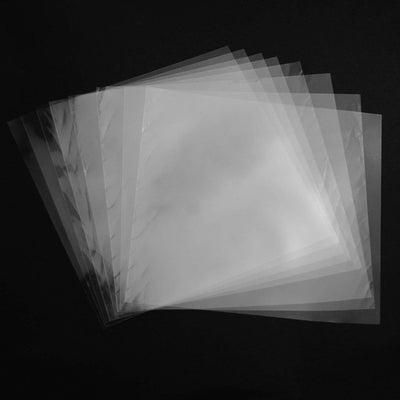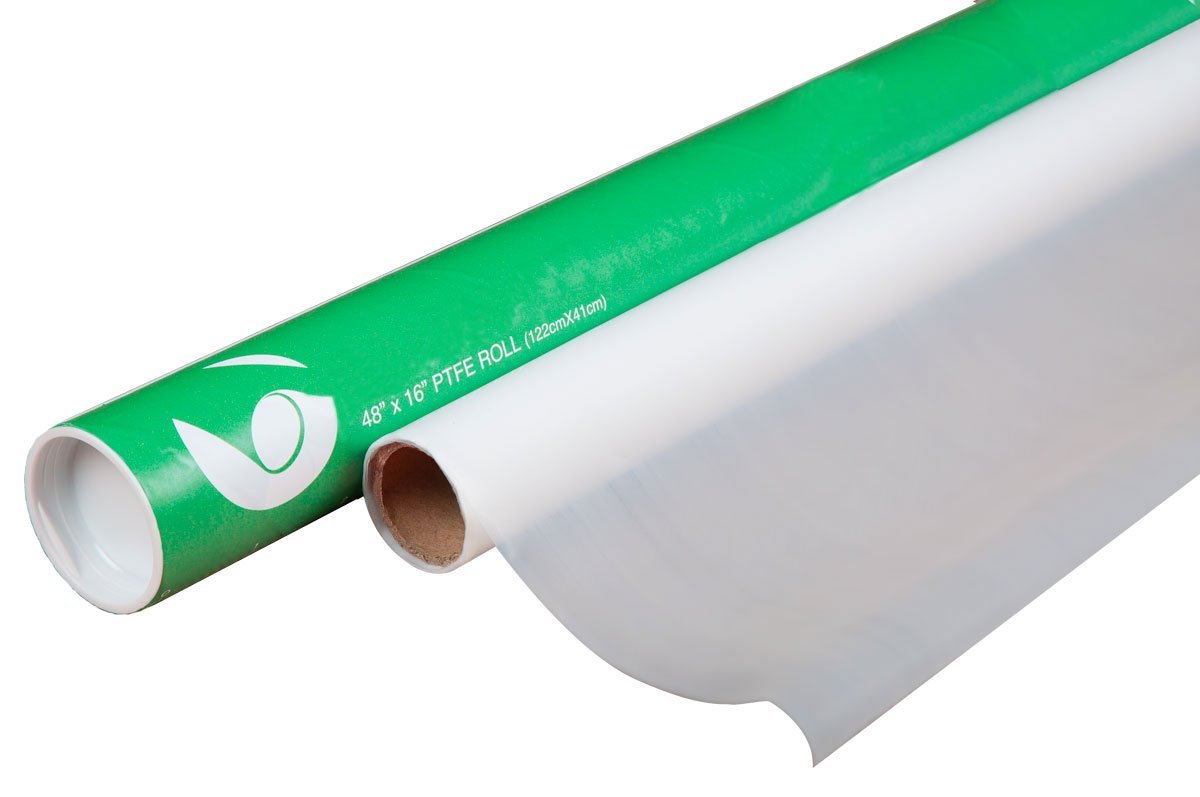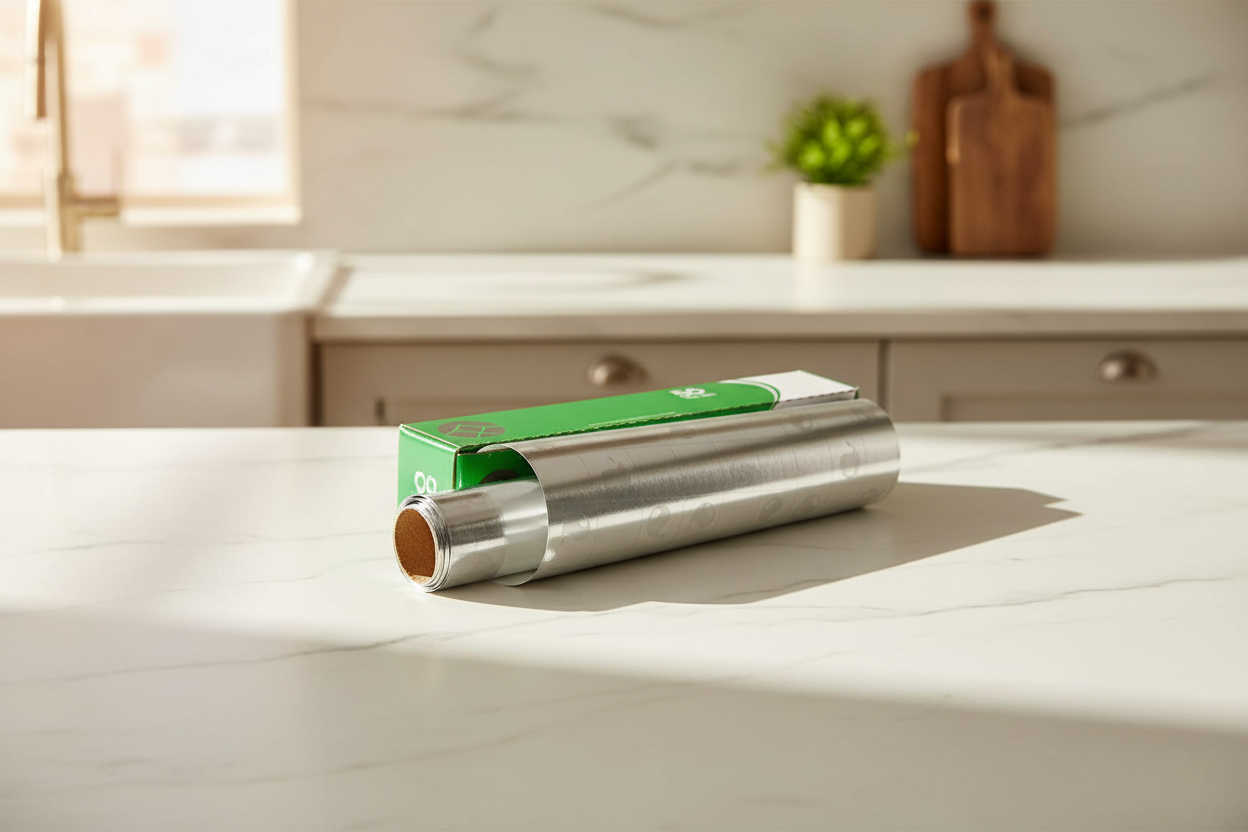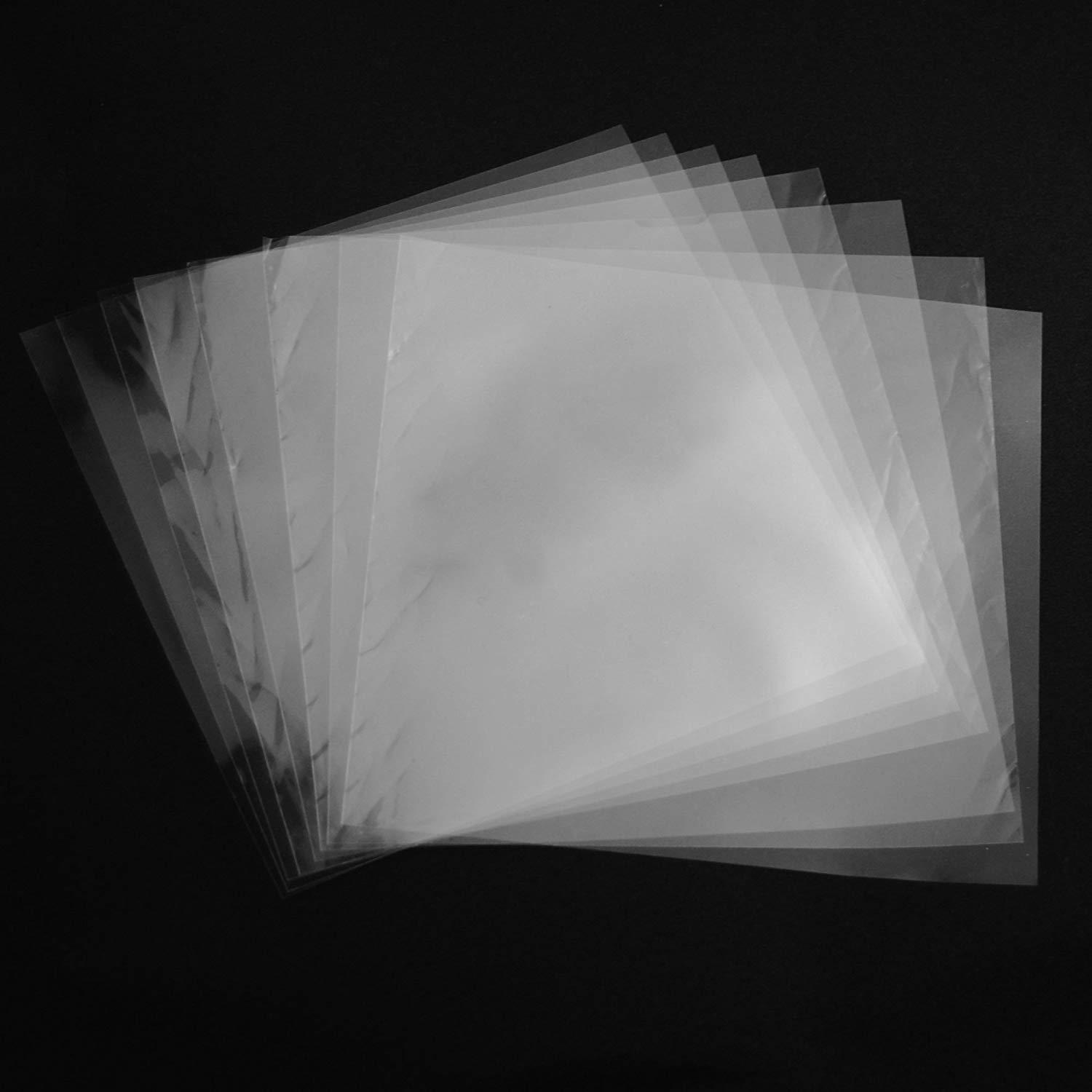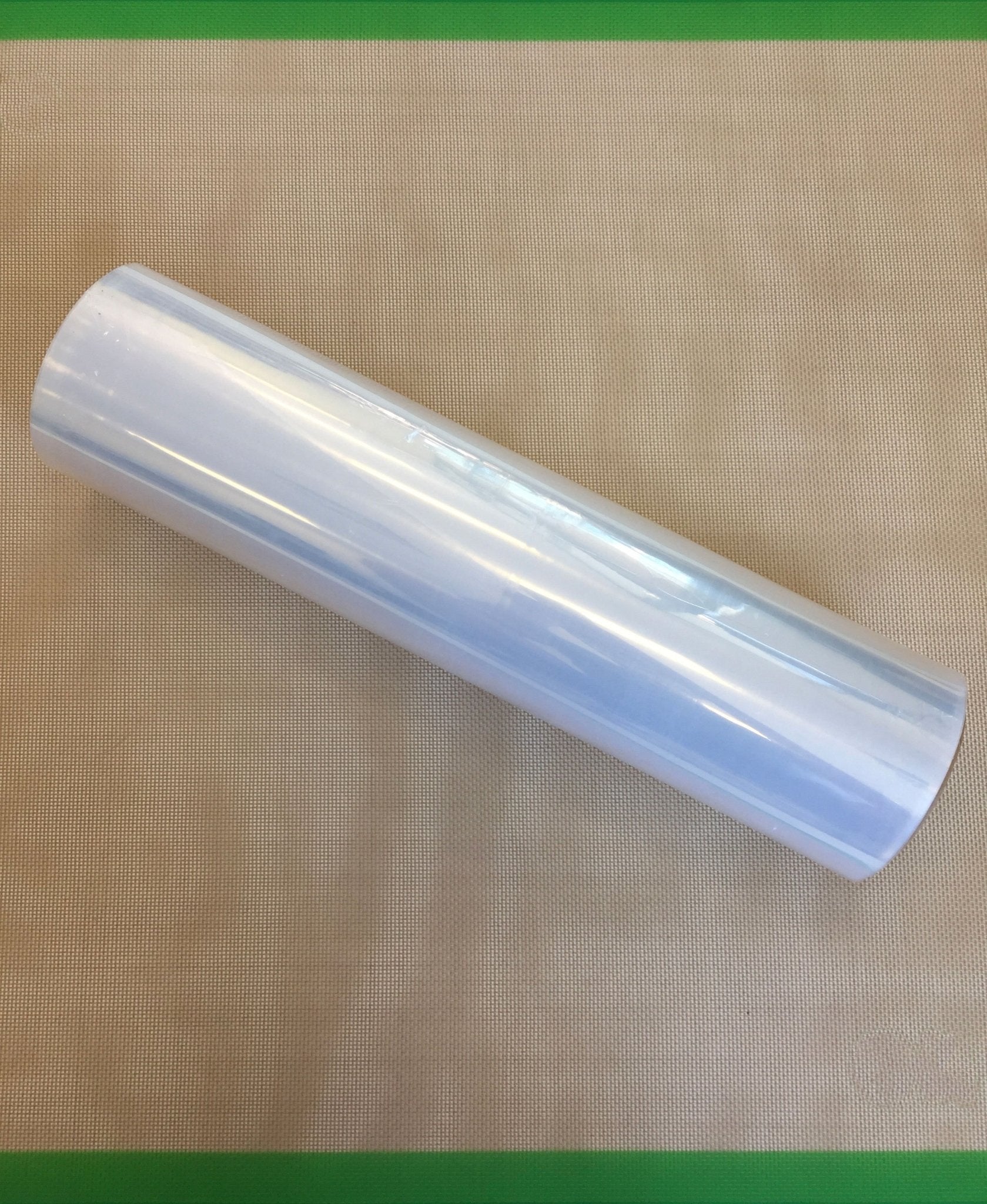


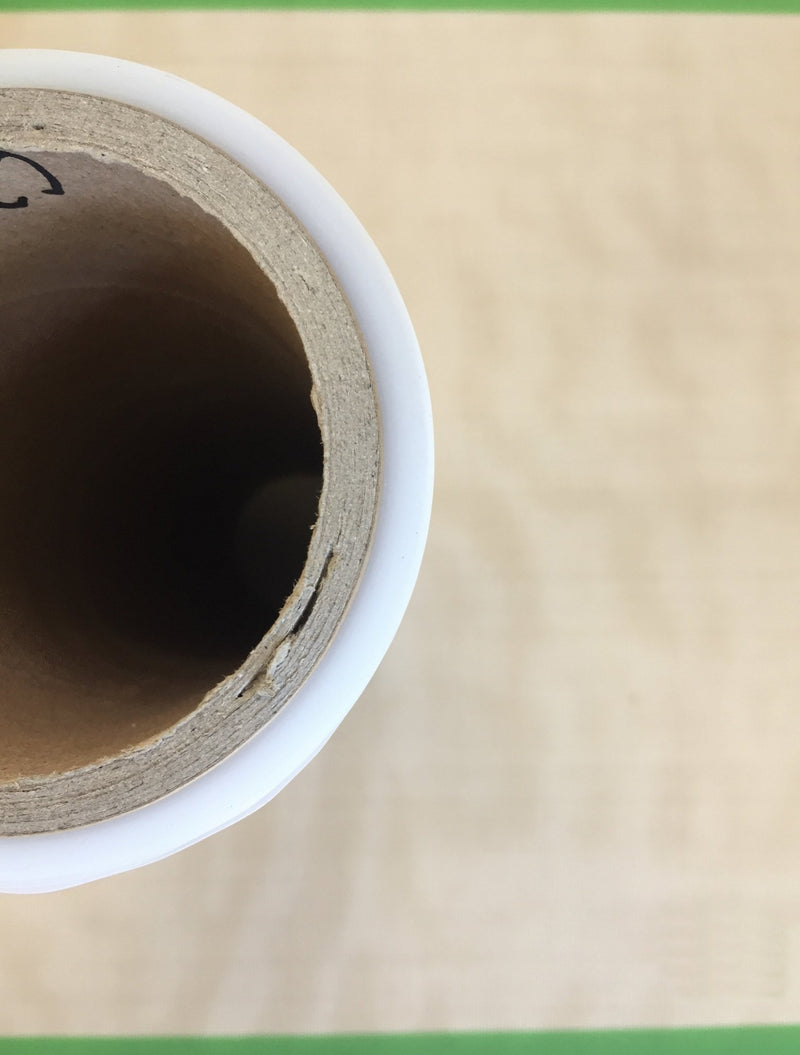
FEP film by the roll. Clear where PTFE is opaque. Cut it to the size your project actually needs.
5% off 5+ units. 10% off 10+. 15% off 25+. No code needed at checkout.
FEP (fluorinated ethylene propylene) is the see-through cousin of PTFE. Same nonstick release, same resistance to epoxy, UV resin, isopropyl alcohol, and oils, but optically clear with zero haze and UV-transparent. That clarity is why it lines the bottom of every 3D resin printer vat: the light has to pass through to cure the resin, and the print has to pop off clean afterward.
Precut sheets lock you into someone else's dimensions. A roll lets you cut a vat liner today and a casting surface tomorrow, and the cost per square inch drops. Three thicknesses: 0.15mm for fine detail, 0.2mm as the all-purpose standard, 0.5mm where you want maximum life. Rated -40°F to 400°F.
Beyond printer vats: a release layer for jewelry and precision casting (you can watch the cure without opening the mold), a temporary liner for flexible molds, a nonstick cover for work surfaces. Cured resin releases with a gentle flex, no release agents, and the smooth film leaves a polished-looking finish on the casting face.
One honest limit: keep acetone away from it. Acetone swells the film. It shrugs off most other solvents, but it is not immune to everything, so test a new chemical on a scrap corner first. Skip direct flame and metal scrapers too.
Specifications
| Spec | Value |
|---|---|
| Material | FEP (fluorinated ethylene propylene) |
| Clarity | Optically clear, zero haze, UV-transparent |
| Available Thicknesses | 0.15mm (thin), 0.2mm (standard), 0.5mm (thick) |
| Temperature Range | -40°F to 400°F (-40°C to 205°C) |
| Chemical Resistance | Epoxy, UV resin, isopropyl alcohol, oils, solvents (not acetone) |
| Nonstick Performance | Complete release without adhesives or damage |
| Flexibility | Flexible but not elastic; holds shape in molds |
| Lifespan (Printer Vat) | 50-200 prints depending on thickness and cleaning |
Common questions
What's the difference between FEP and PTFE?
Same nonstick family, different look. PTFE is opaque; FEP is crystal clear. For printer vats you need FEP so the light reaches the resin. For long-term work surfaces where visibility does not matter, PTFE lasts a little longer. Many resin crafters keep both.
How often do I replace vat film?
A 0.2mm film typically lasts 50-100 prints, a 0.5mm film 100-200+. Replace when you see cloudiness, scratches, or resin creeping under the film. Regular cleaning stretches the lifespan.
Can I clean it with acetone?
No. Acetone swells FEP. Use isopropyl alcohol instead; most resin cleanup never needs acetone anyway. Test any other new solvent on a scrap corner first.
Which thickness do I need?
0.2mm is the standard for most resin printers. 0.5mm if you print heavily and want maximum life. 0.15mm for fine detail work, at some cost in durability. Your printer's documentation will name a recommended thickness.
How do I cut it for my vat?
Measure the length, width, and diagonal of the vat floor, add half an inch to an inch per side for the mounting overlap, and cut with sharp scissors or a knife against a steel ruler. FEP cuts clean without fraying.
Store the roll flat or loosely wound, out of direct sun, and wipe with a damp cloth before installing. Ships from a US warehouse with tracking. 30-day returns on unopened rolls, free US shipping over $75, and the bulk discount applies itself at 5+, 10+, and 25+ units.
Pairs with PTFE and FEP nonstick material for opaque work surfaces, resin and epoxy craft supplies, and the wider craft supplies collection.