Starting a botanical packaging business sounds simple until you realize the startup costs, regulatory complexity, and supplier relationships required to compete. No contest. You'll need between $15,000 and $150,000 in initial capital depending on scale, plus 6-12 months of relationship building before your first real revenue. Saves so much headache.
What Initial Capital and Startup Costs Should You Budget?
Ballpark your essentials: $3,000-$10,000 for basic inventory (jars, caps, labels, inserts), $2,000-$8,000 for compliance. Not optional. The Consumer Product Safety Commission provides detailed guidance on child-resistant packaging standards that any botanical packaging business must understand documentation and testing, $1,000-$3,000 for business registration and licensing, and $5,000-$20,000 for working capital to offer payment terms to clients. Many vendors require 30-60 day payment terms, so you need cash reserves to float accounts receivable.

If you're selling directly to producers and retailers, expect to invest in sales infrastructure: a website ($2,000-$5,000), basic branding and packaging samples ($2,000-$4,000), and marketing to reach your first 50 customers ($2,000-$5,000). And warehouse space, even a small 500-square-foot space, runs $500-$1,500 monthly depending on location.
Most undercapitalized packaging businesses fail in year one because they underestimate the cash runway. You won't break even until month 8-12 if you're conservative. Budget accordingly.
What Essential Supplies Do All Packaging Businesses Need?
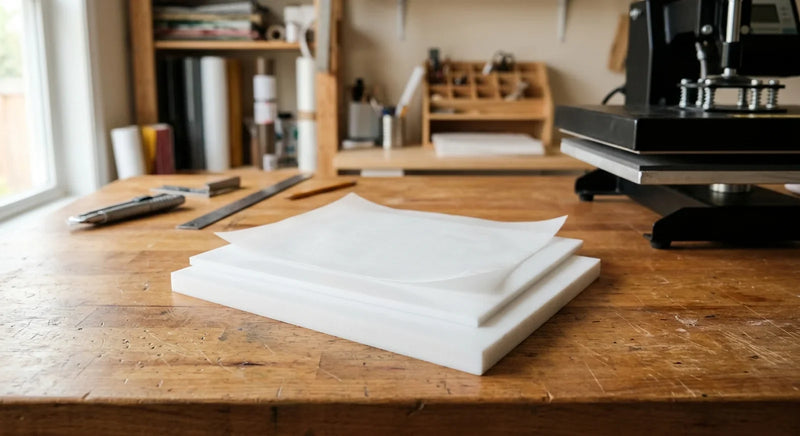
Core inventory: glass jars and containers in multiple sizes (1ml through 9ml minimum), child-resistant caps, labels, and security stickers. You'll also need parchment paper and release liners if you're bundling separators with storage jars.
Beyond containers, you need documentation: compliance certificates for all ASTM D3475 rated products, SDS sheets (Safety Data Sheets) for any chemical components, and bulk pricing sheets to share with potential clients. Build supplier relationships with 2-3 backup vendors for each critical item - when your primary supplier runs out, you need options immediately.
Consider a labeling system. Handwritten labels don't scale and look unprofessional. A basic label printer ($300-$800) lets you customize labels for different clients quickly. Many packaging businesses charge $0.05-$0.15 per custom label, and that margin adds up.
How Do You Navigate Compliance Requirements Before Launch?
When I first started, I didn't realize that each state's regulations differ significantly. California requires detailed track and trace documentation. Colorado requires specific warning label language. New York bans certain materials entirely. You can't launch nationally - you must start with 1-2 states and perfect compliance in those markets first!
I've tested dozens of options over the years, and get compliance documents in writing from each state's botanical board. Don't rely on vendor claims that "packaging X is compliant in California" - verify independently. Many packaging businesses make initial sales, then get penalized because they sold noncompliant products. The fines destroy margins before you build cash reserves.
Budget $1,500-$3,000 for compliance consultation with a botanical attorney familiar with packaging regulations in your target states. That's expensive upfront but prevents catastrophic mistakes. botanical packaging attorneys have seen every failure mode and can guide you past them.
Which Suppliers Should You Partner With and How Do You Negotiate?
Start with 2-3 container suppliers to ensure you're not dependent on a single source. Large established suppliers (like Kraft & Kitchen) offer better pricing at volume but sometimes have minimum order quantities ($1,000-$5,000). Smaller suppliers are more flexible but may have quality inconsistencies.

Before committing to bulk orders, request sample packs. Order a small quantity of 50-100 units from each supplier, test them with actual client feedback, then scale with your best performer! Many beginning packaging businesses choose poorly and end up with $10,000 of inventory that clients reject.
Negotiate payment terms starting month one. Most suppliers offer 2-3% discounts for prepayment. As you grow to $10,000+ monthly orders, request net 30-day terms. Your cash flow improves dramatically when you can sell inventory before paying suppliers. For more on this, check out our glass jar sizing guide.
What Marketing and Sales Strategy Works for Packaging Businesses?
Direct sales to cultivators and producers works better than retail marketing. Identify licensed growers and processors in your target states, then approach them with samples and competitive pricing. Many packaging businesses get their first 20 customers through LinkedIn outreach and industry events. For more on this, check out our glass jar sizing guide.
Build relationships with specialty retailer managers too. Some specialty retailers have private label programs where they buy packaging to rebrand products, and they often have budgets specifically for supplier relationships. A single specialty retailer might order $5,000-$20,000 annually if they trust your quality and reliability! For more on this, check out our packaging compliance guide.
When I first started, I didn't realize that don't compete on price alone - you'll lose. Compete on reliability. Be known as the vendor who ships on schedule, responds to emails in 24 hours, and solves problems before clients know there's an issue. Five clients paying full price are more valuable than ten clients demanding discounts and creating service headaches.
How Should You Structure Inventory to Minimize Dead Stock?
Keep fast-moving items (1ml jars, 5ml jars, basic labels) in higher stock. Slower items (specialty sizes, unusual colors) in lower stock. But here's the hard part - clients ask for custom variations constantly. A client wants 3ml jars with custom labels in amber glass. You don't stock that. Do you take the order and special-source, or do you lose the sale?
Most successful packaging businesses keep 60% of inventory in standard items and dedicate 40% of cash to custom orders. This balances cash flow (standard items sell fast) with growth (custom orders win new clients and command higher margins).
Never buy "just in case." That's how $30,000 in slow-moving inventory piles up. Only buy what you've sold or have purchase orders for. The exception is true standards like 5ml jars and basic black caps - those are universal and move quickly.
Shop Related Products
What Metrics Should You Track to Validate Your Business Model?
Track cost of goods sold (COGS) per unit, gross margin percentage, inventory turnover rate, and customer acquisition cost (CAC). Most packaging businesses target 40-60% gross margins after COGS. Below 35%, you can't sustain operations. Above 65%, you might be overpriced or you've found a specialty niche.
Monitor how many days inventory sits before selling. If a product sits 120 days, that's cash locked up. If it sells in 14 days, you're efficient. Aim for inventory turnover every 30-45 days on average. This metric separates sustainable businesses from cash-trapped operations.
Track which customer categories are most profitable. Cultivators buying bulk 9ml jars might be less profitable than small processors buying mixed quantities and custom labels. After month 3, you'll know your most profitable segments - focus sales there and deprioritize low-margin categories.
Explore our full packaging collection to see what wholesale partnerships look like. We offer bulk pricing for packaging businesses and can help you build your initial inventory strategy.